Publisering
Comprehensive Guide to the World of Parrots
Parrots are celebrated for their vivid colors, social complexity, and extraordinary intelligence. These birds are defined by distinct physical traits, including curved beaks and a unique four-toed foot structure—with two toes facing forward and two backward—which facilitates expert climbing and food manipulation. Beyond their charismatic appearance, they serve as vital ecosystem engineers by regenerating forests through seed dispersal. While they share these fundamental traits, the world's 389 species exhibit a vast range of shapes and sizes.
Justin McCarthy
Signatur
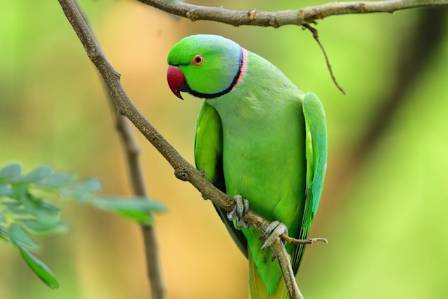
Parrots are celebrated for their vivid colors, social complexity, and extraordinary intelligence. These birds are defined by distinct physical traits, including curved beaks and a unique four-toed foot structure—with two toes facing forward and two backward—which facilitates expert climbing and food manipulation. Beyond their charismatic appearance, they serve as vital ecosystem engineers by regenerating forests through seed dispersal. While they share these fundamental traits, the world's 389 species exhibit a vast range of shapes and sizes.
Classification of Parrot Groups
The evolutionary history of parrots categorizes them into four primary lineages based on their geography and physical characteristics.
New World and African Parrots
Found across Central and South America, the Congo basin, and parts of southern Africa and Australasia, these birds are largely characterized by green plumage. They range in scale from the massive macaw to the tiny parrotlet. Interestingly, some populations, such as those in southern Peru, gather at clay licks to consume minerals believed to neutralize plant toxins.
New Zealand Parrots
Only three species belonging to this group survive today, all residing in forested environments. While the Kaka lives high in the trees, the Kea thrives in alpine regions. This group also includes the flightless Kakapo, which is an agile climber and the only parrot to utilize a "lek" mating system, where males use excavated bowls to amplify booming calls to attract mates.
Old World Parrots
Distributed from central Africa through Asia to Australasia, these parrots inhabit diverse environments ranging from tropical rainforests to open savannas. While most nest in trees, some species utilize ground nests or rock crevices. This category includes unique specialists like nectar-eating lories and bark-consuming pygmy-parrots.
Cockatoos
Primarily located in Australia and surrounding islands, cockatoos are distinguished by their impressive crests and large bodies. They are highly social, sometimes forming flocks of thousands in areas where food is plentiful. These birds are reliant on endemic trees for nesting, frequently using pre-existing holes in rotten trunks.
Habitat and Exceptional Intelligence
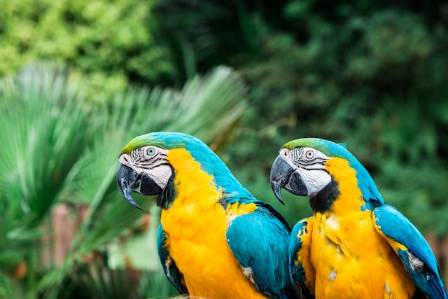
Parrots inhabit diverse ecosystems on almost every continent, from the arid Australian deserts to humid South American jungles. Their cognitive abilities are remarkable, with brain-to-body ratios comparable to primates. This intelligence is manifested in problem-solving skills and the innovative use of tools to access food.
The Palm Cockatoo offers a striking example of this intellect, as it is the only non-human species known to craft tools specifically for sound production. These birds fashion "drumsticks" from branches to strike trees and attract mates, with individual birds maintaining their own unique rhythmic designs. Such high intelligence is also believed to be linked to the group's notably long lifespans.
Fast Facts and Global Records
-
Largest Species: The Hyacinth Macaw, reaching 1 meter in length.
-
Smallest Species: The Buff-faced Pygmy Parrot, averaging just 8 cm.
-
Life Expectancy: Lifespans vary wildly, from the Fig Parrot’s two-year average to the Scarlet Macaw, which can live into its 80s.
-
Typical Diet: Primarily consists of seeds, nuts, fruits, and occasionally insects.
-
Social Terms: Groups are referred to as a company, pandemonium, or flock.
Conservation Challenges and Efforts
Parrots currently rank among the most endangered bird groups globally. To date, 16 species have been lost to extinction, with many others facing immediate threats. Major dangers include habitat loss due to agriculture and logging, alongside illegal hunting and the pet trade. Island-dwelling parrots are particularly vulnerable to invasive predators like rats.
In response, conservationists are taking targeted action. For instance, the Kakapo was relocated to predator-free islands to facilitate a captive breeding program. In regions like the Caribbean Slope of Mexico and Central America, international organizations are working together to restore habitats and strengthen local communities to protect species like the Critically Endangered Great Green Macaw.
Andre saker du kanskje liker

Top 10 Game-Changing AI Technologies Transforming Our World
In a world where artificial intelligence (AI) continues to advance at breakneck speed, several groundbreaking technologies are emerging as leaders in innovation and functionality. Here’s a look at 10 of the most influential AI technologies making waves across various industries:

The 8 Most Stunning Coral Reefs You Need to See
Coral reefs are vibrant underwater metropolises, hosting an astonishing variety of marine creatures while playing a crucial role in protecting endangered life. From sprawling reef systems that stretch for miles to dazzling networks bursting with color, these natural wonders remind us of the ocean’s beauty and resilience. Let’s dive into eight of the most breathtaking reefs around the globe.

Make Skiing More Exciting: 9 Ways to Elevate Your Slope Experience
Skiing and snowboarding should, above all, be enjoyable. Whether you're stepping into skis for the first time or rekindling your enthusiasm, here are nine ways to help you rediscover the joy of gliding through the snow.

All About Beagles: Key Information and Traits of the Breed
Beagles are gentle, playful hound dogs that love taking slow, leisurely walks and then spending lots of relaxing time beside their owners. Though small in size, they were originally bred for hunting, and to this day, their sense of smell guides almost everything they do. Their sharp noses make them a top pick for hunters chasing small game, and you’ll often see them working as detection dogs at U.S. borders, searching for illegal items. Beagles need plenty of daily physical activity and fit well into active family lifestyles. These small pups have long been a favorite among American families and consistently rank among the most popular dog breeds in the United States.
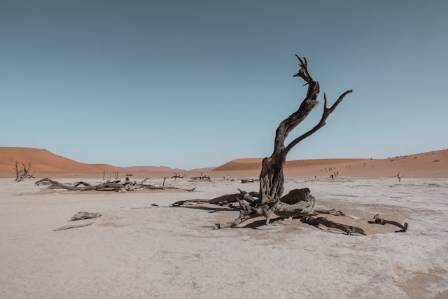
How to Revive a Dehydrated Tree: A Guide to Rehydrating Underwatered Trees
Trees, like all living plants, rely on a consistent supply of water to grow, maintain health, and perform photosynthesis. When a tree goes without moisture for too long, it becomes parched and may exhibit signs of serious stress. Helping such a tree recover involves more than just splashing water at its base—it requires a targeted approa

Pre-Exercise Warm-Up: Benefits, Examples, and Effective Guide
Before diving into exercise or sports activities, it's crucial to understand the significance of warming up before exercising.

Winter Wardrobe Mastery: 10 Essential Strategies for Style and Warmth
Navigating freezing temperatures requires a delicate balance between practical insulation and aesthetic appeal. While winter weather can be unforgiving, it offers a unique opportunity to experiment with textures, layers, and sophisticated accessories. By selecting the correct garments and understanding the science of heat retention, you can maintain a polished appearance throughout the season.

Idyllic U.S. Small Towns That Transform into Winter Wonderlands
As the season transitions to winter, the allure of travel beckons. The good news is you don't need a passport to savor the magic of the upcoming chilly months. Across the United States, you'll discover a tapestry of snow-capped mountains, serene farmlands, cozy inns, and a myriad of outdoor activities. These picturesque small towns promise a winter escape that's nothing short of enchanting.
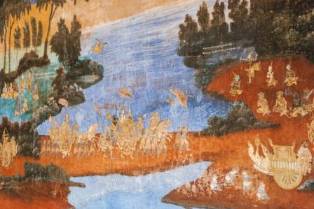
Rediscovering the Foundation: The Journey into Classical Drawing
As an established figurative painter working primarily in oils, I reached a significant turning point in my creative journey last year. Despite my experience, I felt a persistent desire to elevate my work and challenge my existing boundaries, though the specific path forward remained unclear. To find clarity, I decided to return to the most fundamental aspect of the visual arts: the drawing board.

Understanding the Role of Color Blocking in Visual Art
Color blocking is a fundamental technique used by artists to explore how different lighting conditions influence the appearance of hues. This method allows creators to gain a deeper comprehension of light's impact on their work by simplifying the visual field. Expert colorist Camille Przewodek frequently emphasizes this practice, drawing a parallel between color blocking for painters and the practice of scales for musicians. It serves as a foundational exercise that informs the rest of the creative process, particularly in the realm of outdoor or plein air painting.