Publisering
Sea Otter Protection: A Key to Mitigating Climate Change Impacts on Arctic Marine Ecosystems
A groundbreaking study published in Science on September 11, 2020, reveals a critical link: the drastic decline of sea otter populations off Alaska’s Aleutian Islands since the 1990s has amplified climate change’s destructive effects on the region’s widespread calcareous algae reefs. Led by marine biologist Dr. Douglas Rasher from the Bigelow Laboratory for Ocean Science, the international research team—including scientists from GEOMAR Helmholtz Centre for Ocean Research Kiel—documented how the loss of this keystone predator, combined with ocean warming and acidification, threatens the survival of complex coastal ecosystems. GEOMAR’s expertise in uranium-thorium limestone dating was instrumental in supporting the study’s detailed ecological reconstructions.
Mia
Signatur
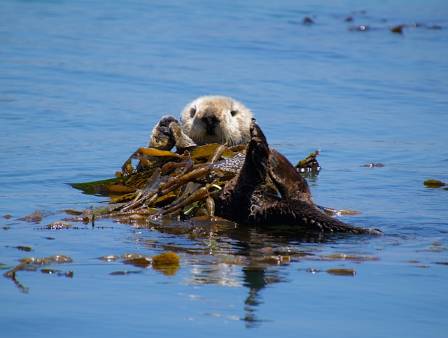
The Aleutian Ecosystem: Calcareous Reefs, Kelp Forests, and a Delicate Food Web
Sea Otter Decline: Unleashing a Cascade of Destruction
Climate Change: Weakening Reefs and Amplifying Grazing Damage
GEOMAR’s Role: Dating Limestone to Unlock Ecological History
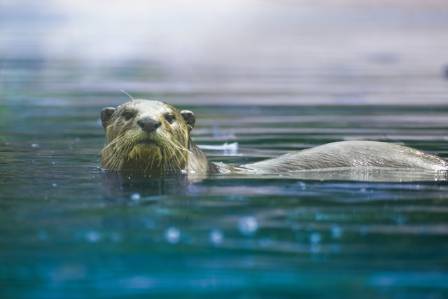
A Ray of Hope: Protecting Keystone Predators to Stabilize Ecosystems
Conclusion: Interconnected Solutions for Marine Conservation
Andre saker du kanskje liker
How to Revive a Dehydrated Tree: A Guide to Rehydrating Underwatered Trees
Trees, like all living plants, rely on a consistent supply of water to grow, maintain health, and perform photosynthesis. When a tree goes without moisture for too long, it becomes parched and may exhibit signs of serious stress. Helping such a tree recover involves more than just splashing water at its base—it requires a targeted approa
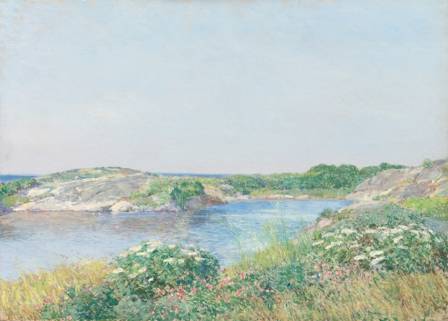
10 Renowned Landscape Paintings Worth Knowing
Landscape painting is a genre that long craved formal acknowledgment. It wasn’t until the 17th century that this theme established itself as an independent pictorial genre, standing alongside historical painting, portraiture, and still life. The 19th century witnessed substantial evolution in landscape art, marked by the emergence of the Barbizon School in 1830. From that point onward, plein-air painting grew more accessible, and nature emerged as the most inspiring subject matter. Lush forests, craggy cliffs, and tilled fields became the settings for the creative visions of certain painters. These artworks rank among the greatest masterpieces in the history of art.

The 10 Best Sailing Adventures Around the Globe
Sailing has always captured the spirit of exploration, sending travelers across oceans with nothing but the wind in their sails. Today, setting out on the water is far less perilous than in the days of early explorers, but no less thrilling. From icy southern seas to turquoise tropical lagoons, these ten sailing destinations promise unforgettable adventures on the open ocean.

Selecting the Ideal Accent Chair: A Comprehensive Guide to Enhancing Your Space
Have you ever looked around your living room and felt that the layout was incomplete? While a large sofa is excellent for movie nights, it often lacks the versatility needed to create an intimate setting for conversation or a dedicated spot for personal relaxation. Choosing the right accent chair is about more than merely filling a vacant corner; it is about establishing the character and purpose of your home.

Do You Know Why People Still Use Typewriters in Modern America
At first glance, typewriters might look like dusty antiques that belong in a museum rather than on a desk. But in a country overflowing with laptops, tablets, and smartphones, these clunky machines continue to surprise people with their staying power. Across the United States, typewriters are not just collector’s items—they remain dependable tools for offices, legal practices, and even individuals who want an alternative to the glowing screen.
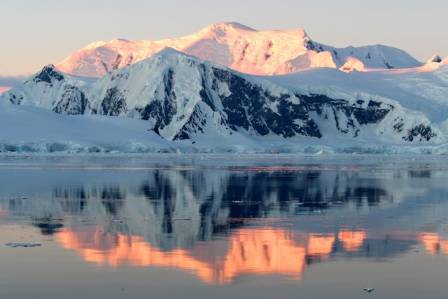
The Most Epic Mountains to Climb: A Beginner’s Guide to Feasible Summits
There’s a thrill in standing face-to-face with a snow-topped giant, where the world drops away and every breath feels earned. For many, climbing mountains isn’t just sport—it’s a doorway to perspective, endurance, and awe. If you’re new to high-altitude adventures, you don’t have to chase the world’s deadliest peaks to taste the altitude high life. Here are 12 mountains that strike a balance: challenging enough to matter, but doable with proper prep, guides, and respect for the wild.
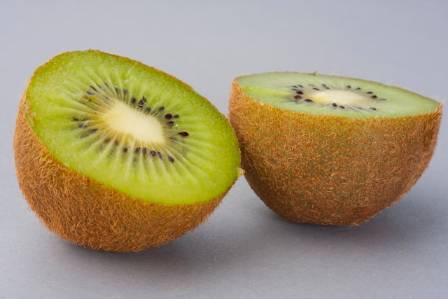
Is Kiwi Fruit Good for You During Pregnancy?
Kiwi, also known as Chinese gooseberry, is rich in essential nutrients and can be a great addition to your pregnancy diet. This small fruit offers a unique mix of vitamins, minerals, and fiber—plus a sweet, tangy flavor that may help satisfy pregnancy cravings in a healthy way.

All About Beagles: Key Information and Traits of the Breed
Beagles are gentle, playful hound dogs that love taking slow, leisurely walks and then spending lots of relaxing time beside their owners. Though small in size, they were originally bred for hunting, and to this day, their sense of smell guides almost everything they do. Their sharp noses make them a top pick for hunters chasing small game, and you’ll often see them working as detection dogs at U.S. borders, searching for illegal items. Beagles need plenty of daily physical activity and fit well into active family lifestyles. These small pups have long been a favorite among American families and consistently rank among the most popular dog breeds in the United States.
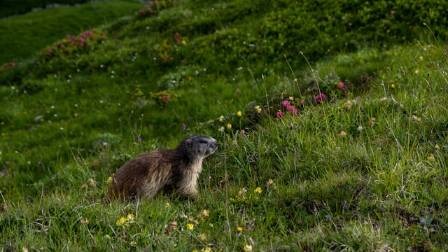
Yellow-bellied Marmot
The scientific name flaviventris means “yellow belly” (from Latin flavus = yellow, ventris = belly).
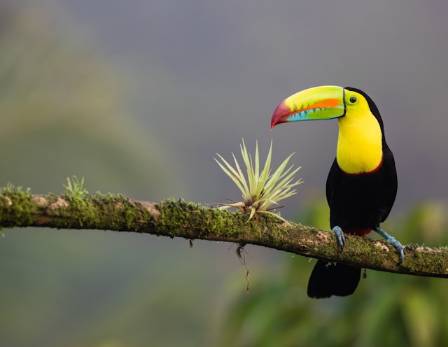
Discovering the Toucans of Costa Rica
Toucans are among the most striking residents of the Costa Rican rainforest, characterized by their vivid plumage and charismatic behavior. These birds are known for their magnificent, multi-colored beaks and social nature. In protected sanctuaries, various species—including the Keel-billed (or Rainbow-billed) toucan, the Yellow-throated (Chestnut-mandibled) toucan, and the Collared Aracari—thrive as ambassadors of tropical biodiversity, often displaying playful antics and distinct vocalizations.