Publisering
The Art of Creative Quiltmaking: A Comprehensive Guide
Every piece of textile art begins with a deep commitment to the drawing board. Before a single pencil mark is made, however, it is essential to establish a clear subject or theme. Working within a specific conceptual framework allows for a more cohesive body of work and helps filter the infinite inspiration found in daily life. Personal worldviews often drive these choices; many artists find profound stimulation in the intricate laws of nature, botanical details, or the simple wonder of the human experience.
Lucas Bennett
Signatur
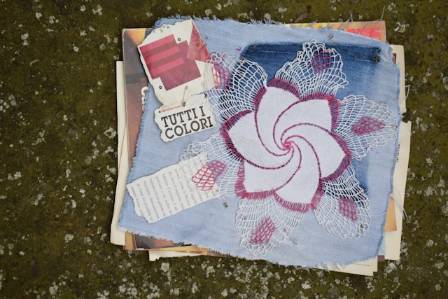
Every piece of textile art begins with a deep commitment to the drawing board. Before a single pencil mark is made, however, it is essential to establish a clear subject or theme. Working within a specific conceptual framework allows for a more cohesive body of work and helps filter the infinite inspiration found in daily life. Personal worldviews often drive these choices; many artists find profound stimulation in the intricate laws of nature, botanical details, or the simple wonder of the human experience.
Currently, two primary themes dominate this artistic journey. The first is botanical, celebrating the everyday beauty of local flora, such as the complex vein patterns on a eucalyptus leaf or the surprising spectrum of colors found on a single plant. The second theme focuses on childhood, aiming to capture the fleeting sense of awe felt by children as they discover ordinary things—bubbles, rain, or snail trails—for the very first time. Retaining this sense of "wide-eyed wonder" is a vital goal for any creator.
Developing the Visual Concept Through Sketching
Once a theme is selected, the sketching phase begins. This stage is a mix of joy and occasional frustration, as there is no fixed timeline for arriving at a design that feels right. Utilizing digital photography as a reference tool is invaluable here, allowing the artist to capture hundreds of angles of a subject to study later.
The process usually starts with free-form drawing to build familiarity with the subject. This evolves into more intentional design work, where drawings are stylized specifically for machine piecing. A visual diary serves as a critical archive of these iterations. By the conclusion of this stage, the diary is filled with diverse entries: realistic studies, line drawings focused on seam placement, quick thumbnails for layout, and bold marker sketches that prioritize composition over detail. The final drawing is then converted into a technical pattern where every white space represents a distinct piece of fabric.
Refining the Design and Preparing the Pattern
A design is never rushed into production. Once a sketch looks complete, it must be evaluated against the core principles of art—specifically contrast, scale, and tonal balance. The goal is to create "good art" that rewards the viewer both from a distance and upon close inspection. This stage often comes with inherent artistic doubts, but these uncertainties serve a healthy purpose, pushing the creator to aim higher and pay closer attention to detail.
While some designs are discarded, those that move forward are meticulously planned. Because machine piecing and quilting allow for only minor adjustments once the fabric is cut, the design must be nearly perfect beforehand. Using digital tools or colored pencils to test various color schemes is a common practice to avoid "winging it" on larger, more complex works. Finally, the drawing is scaled to its full size using specialized applications and printed across multiple sheets of paper. This full-scale pattern is then traced onto the "sticky" side of iron-on interfacing, with notch markings added to every seam line to ensure perfect alignment during assembly.
The Systematic Process of Cutting and Organization
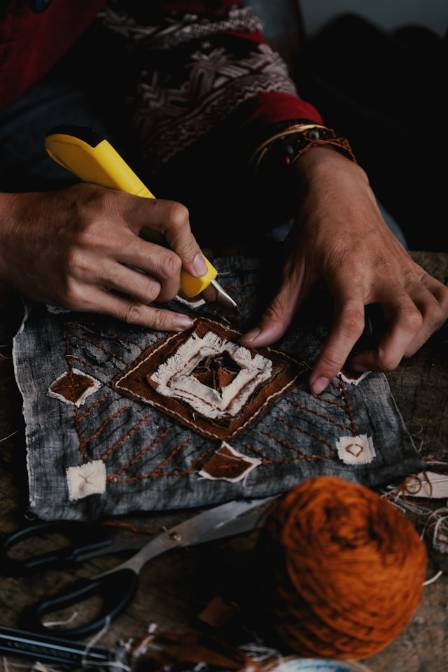
The next phase involves cutting the interfacing pattern into individual components and ironing them onto the selected fabrics. This is done systematically, working on small, manageable sections at a time. By laying out the entire color palette on a work table, the artist can ensure each piece of interfacing is matched to the correct textile.
When cutting the fabric around the interfacing, a rough seam allowance is left. The exact width of the allowance is less critical than the interfacing itself, as the edges and notches of the interfacing serve as the true guide for the sewing stage. This method ensures that the final piecing is both smooth and highly accurate, as the interfacing remains inside the quilt to provide structure.
Assembly and the Final Puzzle
With all the pieces cut, the project resembles a complex jigsaw puzzle. Working section by section, the pieces are laid out with the interfacing side facing up. The grain of the interfacing and the hand-drawn notches act as guides for correct orientation. If the design requires screenprinting or hand-painting, the background pieces are pulled from their piles, treated with pigment, and then returned to their designated spots once dry.
This stage is often iterative; if a section does not look right after being puzzled together, it can be unpicked or further modified with additional printing. This flexibility ensures the artistic vision remains intact even as the physical construction progresses.
Piecing the Artwork Together
The final and most rewarding stage is the actual stitching. Seeing the design transform from a collection of scraps into a recognizable image is a consistently exciting experience. To begin, two adjacent pieces are pinned right-sides together, matching the notches and interfacing edges exactly.
While most of the construction is done by machine, particularly complex areas like faces or hands are often pieced by hand for greater precision and a more relaxed workflow. This process can be incredibly engrossing, often leading to hours of uninterrupted work as the final image emerges. Once the top is fully pieced, the art quilt is finished using traditional methods: layering it with batting and a backing fabric, adding textured quilting, and finally applying the binding.
Andre saker du kanskje liker

4 Essential Watches Every Man Needs for Style and Function
A great watch is more than a way to check the time—it’s a statement of taste and personality. Many men rely on a single watch every day, but just like clothing, different occasions call for different timepieces. Building a small, versatile collection ensures you’re always prepared, whether you’re headed to the office, a dinner date, or a weekend adventure. Here are four watch types that cover every situation with ease.

10 Ridiculously Easy Soups Ready in 30 Minutes or Less
When time is short but you're craving a hot, comforting bowl of soup, these quick and simple recipes will save the day. You don’t need hours of simmering to enjoy a hearty, flavorful soup. Here are 10 delicious options that can be prepared in 30 minutes or less.

5 Remarkable Women Who Shaped History
Women are the driving force behind the world's progress, and while Women's History Month in March is a dedicated time to honor their achievements, it's crucial to continue supporting and recognizing them throughout the year.
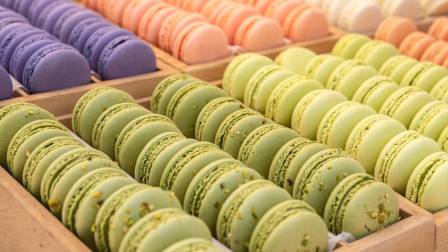
The Ultimate Guide to Iconic Macaron Flavors and Colors
Selecting the right macaron involves a harmony of visual appeal and gourmet taste. These delicate French confections are as much about their vibrant presentation as they are about their complex fillings. Whether you are planning a themed celebration or simply indulging at home, understanding the nuances of different flavor profiles and their corresponding hues can help you curate the perfect assortment.

Mastering the Art of Preparing for a Long Bike Ride
Long-distance cycling, whether it's a scenic canyon exploration, a day-long race like Lotoja, or an ambitious endeavor like South Africa's Cape Epic, requires a unique set of skills and unwavering dedication. It's more than just a bike ride; it's a journey that pushes your limits, tests your endurance, and rewards you with both physical and mental benefits. Preparing for a long bike ride involves a specific set of considerations, regardless of whether it's a race, multi-day adventure, or a solitary journey of self-discovery.

Rediscovering the Foundation: The Journey into Classical Drawing
As an established figurative painter working primarily in oils, I reached a significant turning point in my creative journey last year. Despite my experience, I felt a persistent desire to elevate my work and challenge my existing boundaries, though the specific path forward remained unclear. To find clarity, I decided to return to the most fundamental aspect of the visual arts: the drawing board.
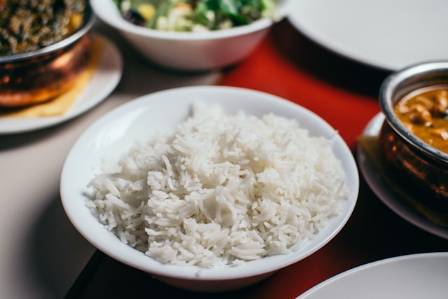
Essential Foods Across the Globe
Food is deeply woven into the fabric of daily life and cultural heritage. It reflects environmental conditions, historical developments, and agricultural traditions. Core dietary staples not only sustain populations but also represent regional identity and social customs. For businesses stepping into international markets, having a grasp of these essential ingredients is vital—not just for product adaptation but also for successful cross-cultural communication, including localization and translation strategies.

Capturing the Ideal Fashion Shot: A Photographer's Guide
In today's world brimming with aspiring models, photographers – whether budding, neophyte, or professional – hold the key to making their mark. As these budding models aspire to create professional portfolios, they seek out adept fashion photographers capable of producing stunning images. These models crave photographers who can expertly capture an array of angles, the most flattering looks for various themes and styles, and, above all, the perfect fashion shot.

4 Surprising Factors Of Owls
Embark on a mesmerizing journey as we unravel the enigmatic realm of owls, creatures shrouded in mystery and adorned with captivating allure. From their ancient origins etched in cave paintings to their symbolic presence on coins and vases, owls have mesmerized humanity for centuries. Let us delve into the realm of these formidable predators and explore the fascinating facts that set them apart in the avian kingdom.
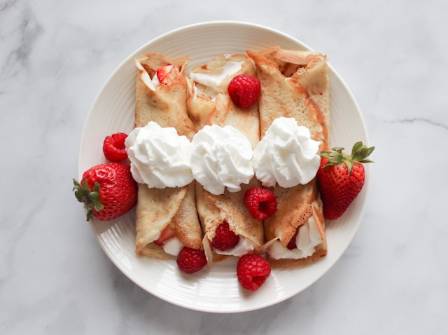
Top 10 Classic American Desserts (With Historical Context & Flavor Highlights)
Classic American desserts are as iconic as baseball and blue jeans, blending regional traditions, historical ingenuity, and crowd-pleasing flavors. From New York’s no-fuss cheesecake to Southern staples like peach cobbler, these 10 desserts (selected from Allrecipes’ 41-strong roundup) tell stories of innovation, resourcefulness, and cultural heritage: