Publisering
The Oldest Modern Bird: Unveiling the Mystery of Wonderchicken
Approximately 66.8 million years ago, during the final days of the Cretaceous period, a diminutive, quail-sized bird met a rather unfortunate and untimely end. It was a time when an impending catastrophe, in the form of an asteroid, loomed large and led to the extinction of all non-avian dinosaurs. While this little bird was destined to vanish from the annals of history, its descendants endured, sowing the seeds of a remarkably diverse lineage of birds that continue to grace the modern skies.
Felix Wolf
Signatur
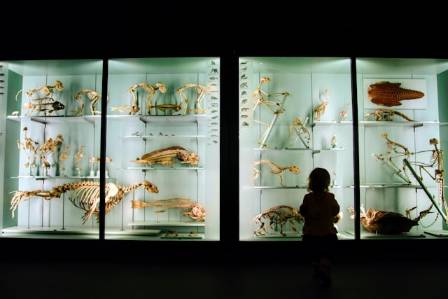
Approximately 66.8 million years ago, during the final days of the Cretaceous period, a diminutive, quail-sized bird met a rather unfortunate and untimely end. It was a time when an impending catastrophe, in the form of an asteroid, loomed large and led to the extinction of all non-avian dinosaurs. While this little bird was destined to vanish from the annals of history, its descendants endured, sowing the seeds of a remarkably diverse lineage of birds that continue to grace the modern skies.
This newly described fossil, affectionately dubbed "Wonderchicken" (officially known as Asteriornis maastrichtensis), now stands as the oldest known member of the contemporary avian family tree. The significance of Wonderchicken goes beyond its mere existence; it may offer vital insights into how birds weathered the cataclysmic extinction event that claimed the lives of three-quarters of Earth's plant and animal species. This ancient relic represents a serendipitous discovery that comes about once in a fortunate lifetime, as noted by Bhart-Anjan Bhullar, a paleontologist at Yale University.
Birds made their initial appearance on the paleontological stage approximately 150 million years ago, coexisting with their toothy predecessors like Archaeopteryx, which bore a striking resemblance to their more reptilian-looking dinosaurian forebears. During the Cretaceous period, our feathered friends underwent a remarkable transformation, shedding their teeth, bony tails, and clawed wings in favor of gentler traits. However, evidence of these ancient avians has been limited, leaving a substantial void in the origin story of modern birds.
Enter Wonderchicken, poised to bridge this very gap. Embedded within a rock specimen first unearthed in 2000, this fossil lay in relative obscurity for almost two decades until it was fortuitously noticed by paleontologists Daniel Field and John Jagt. Intrigued by what the rock might contain, the duo subjected it to a meticulous scan, discovering an almost perfectly preserved skull measuring just a couple of inches.
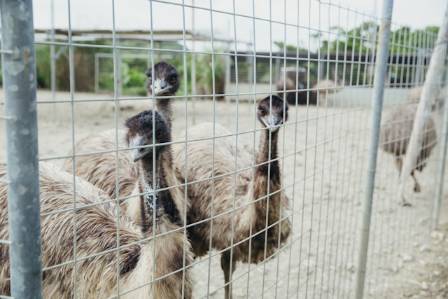
The skull, resembling a natural "turducken" with the visage of a chicken or turkey superimposed upon a duck's head, is astonishingly modern. As Field, Jagt, and their team report in the journal Nature, the bird's long, slender legs suggest a potential shoreline habitat. This amalgamation of features positions Wonderchicken, likely the size of a seagull, at the juncture where waterfowl (like ducks) and landfowl (like poultry) likely diverged.
The fortuitous place of Wonderchicken in the avian evolutionary timeline, coupled with the imminent asteroid impact that ushered in its demise, inspired its name, Asteriornis, in tribute to Asteria, the Greek goddess of falling stars who metamorphosed into a quail.
While another bird resembling modern counterparts, known as Vegavis iaai, has been identified from the Cretaceous period, it postdated Wonderchicken by approximately 200,000 to 300,000 years and left a trail of bones in the Antarctic rocks. Extracted from the sediments of Europe, Asteriornis not only extends the avian chronicle but also hints that today's birds may have evolved in the northern hemisphere rather than the south. Although future discoveries may alter this narrative, these recent findings suggest that birds may have acquired essential traits just in the nick of time, a mere hundreds of thousands of years before the cataclysmic asteroid collision.

Amy Balanoff, a paleontologist at Johns Hopkins University, praises the significance of this specimen, stating that it offers valuable clues about the characteristics that were pivotal for survival during the catastrophic event.
As we continue to unearth the stories of the prehistoric world, Wonderchicken becomes a symbol of resilience and adaptation, illuminating a remarkable chapter in the epic journey of avian evolution.
Andre saker du kanskje liker
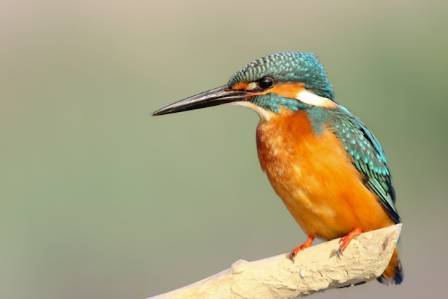
15 Stunning Birds of the World: Nature’s Beautiful Masterpieces
Welcome to a visual tour of the bird world. Birds fascinate us with their bright colors, detailed patterns, and graceful movements. Each species adds a unique touch to the natural landscapes they live in. From the showy displays of peacocks to the calm elegance of flamingos, these creatures fill us with wonder and appreciation.

Make Skiing More Exciting: 9 Ways to Elevate Your Slope Experience
Skiing and snowboarding should, above all, be enjoyable. Whether you're stepping into skis for the first time or rekindling your enthusiasm, here are nine ways to help you rediscover the joy of gliding through the snow.

Maho Beach: A Comprehensive Guide to the Ultimate Plane-Watching Paradise
Nestled in the Dutch Caribbean, Maho Beach stands as an awe-inspiring destination, catering to aviation enthusiasts seeking an extraordinary experience. This beach, renowned for its captivating low-flying airliners, resides just beyond the Princess Juliana International Airport's runway, offering an unparalleled vantage point for witnessing planes take off and touch down. To ensure visitors don't miss a moment of the spectacle, daily airline timetables adorn most bars and restaurants along the beach.

Four Things You Must Know To See The World's most Spectacular Riverside Skyscrapers And Bridges.
Commonly referred to as the First Yangtze River Bridge in Wuhan, this structure holds a distinguished place in history as the inaugural bridge to span the Yangtze River and remains one of its most renowned crossings.
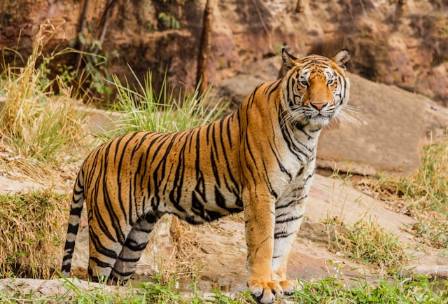
Essential Facts About Tigers: The World’s Largest Cats
Tigers serve as a vital keystone species, exerting a profound influence on the ecosystems they inhabit. As apex predators, they regulate herbivore populations, which helps control the spread of diseases and prevents the degradation of vegetation from overgrazing. Because these cats require expansive territories to survive, efforts to preserve their natural habitats result in the simultaneous protection of countless other wildlife species.

Expert Strategies for Integrating Greenery and Planters into Your Interior
Incorporating vegetation is a sophisticated method for making a home feel both modern and ecologically conscious. However, selecting the right species and containers requires an understanding of both aesthetics and biology. This guide combines the perspectives of interior design and phyto-design to help you curate the perfect botanical environment for your home.

Fascinating Insights and Historical Tidbits Regarding Buses
Buses are remarkable vehicles that play a vital role in global mobility and education. From their humble beginnings as horse-drawn carriages to the massive articulated machines of today, the history of the bus is filled with unique milestones. Exploring these facts reveals how transportation has evolved to serve the public more efficiently across different eras and continents.

Winter Wardrobe Mastery: 10 Essential Strategies for Style and Warmth
Navigating freezing temperatures requires a delicate balance between practical insulation and aesthetic appeal. While winter weather can be unforgiving, it offers a unique opportunity to experiment with textures, layers, and sophisticated accessories. By selecting the correct garments and understanding the science of heat retention, you can maintain a polished appearance throughout the season.
Donald Harris
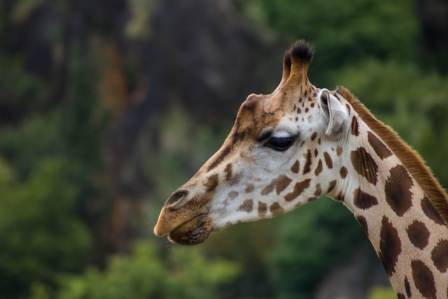
Giraffes are remarkable for their height, yet the story of these towering creatures goes beyond long necks. This article gathers five intriguing facts about giraffes, from biology and parenting to relatives and physiology, offering a concise look at how they thrive in Africa’s varied landscapes.

Understanding Cyberpunk Fashion: Aesthetics of the Digital Future
Cyberpunk fashion represents a fearless, forward-looking aesthetic that merges advanced technology with a rebellious, dystopian spirit. Characterized by somber palettes, technical textiles, and a gritty urban sensibility, this clothing movement draws its primary inspiration from science fiction and a reimagined society defined by neon aesthetics, mechanical integration, and societal friction.