The fabric of a suit is its foundation—determining not just its appearance, but also its comfort, durability, and suitability for different seasons and occasions. A well-chosen fabric can elevate a suit from ordinary to exceptional, ensuring you look sharp and feel confident whether you’re attending a summer wedding, a winter business meeting, or a casual weekend gathering. This guide delves into the world of suit fabrics, breaking down natural and synthetic fibres, seasonal recommendations, texture and formality, care tips, and emerging trends. By understanding the properties of each material, you’ll be empowered to build a versatile suit collection that works for every moment of your life.
Key Takeaways: Essential Fabric Principles
When selecting a suit fabric, three core factors reign supreme: season, occasion, and comfort. For warmer months, prioritize lightweight, breathable fibres like linen (8-9oz) and cotton (9-10oz) to stay cool; for colder climates, opt for heavier, insulating materials such as wool (12-16oz) or tweed (14-18oz). Natural fibres—wool, cotton, linen—offer unparalleled breathability and timeless style, while synthetics like polyester and nylon provide durability and affordability. Blended fabrics (e.g., wool-polyester, linen-cotton) combine the best of both worlds, balancing comfort with practicality. Texture plays a pivotal role in formality: smooth fabrics (fine wool, silk) suit formal events, while textured options (tweed, corduroy) lean casual. Finally, proper care—from dry cleaning to storage—extends the lifespan of your suit, preserving its shape and appearance for years to come.
Understanding Suit Fabrics by Season: Weather-Appropriate Choices
Choosing a suit fabric that aligns with the season is critical for comfort and style. Summer demands fabrics that promote airflow and wick moisture, while winter calls for insulation and warmth. Transitional seasons (spring/autumn) require versatility, with mid-weight materials that can be layered. For summer, lightweight linen (7-9oz) is unrivaled—its loose weave allows air circulation, making it ideal for hot, humid days—though it’s prone to wrinkling (a intentional, relaxed aesthetic). Cotton (8-10oz), especially in breathable weaves like seersucker or madras, is another excellent choice, offering a crisp look with less wrinkling than linen. Tropical wool (8-9oz), a fine, lightweight wool variant, bridges the gap between formality and comfort, suitable for summer business events. Winter calls for heavyweight wool (12-16oz), tweed, or flannel—fabrics with dense weaves that trap heat. Wool-cashmere blends add luxury and extra warmth, while velvet (a plush, heavy fabric) exudes opulence for formal winter occasions. Spring and autumn thrive on mid-weight wool (10-11oz), cotton blends, or lightweight tweed—materials that adapt to fluctuating temperatures, pairing easily with a sweater or light jacket for layering.
Natural Fibres: Timeless Comfort and Style
Natural fibres—derived from plants or animals—are the gold standard for suits, prized for their breathability, texture, and ability to drape beautifully. Wool, the most versatile natural fibre, is a staple for year-round suiting. Its natural crimp creates air pockets that insulate in winter and breathe in summer, while its hygroscopic properties absorb moisture without feeling damp. Wool quality is measured by the “S-number” (super number), which indicates fibre fineness: higher S-numbers (120s-150s) mean finer, softer wool with a smoother drape, ideal for formal events, but more delicate; lower S-numbers (100s-110s) offer durability and value, perfect for everyday wear. Varieties like merino wool (soft, fine) and worsted wool (smooth, strong) cater to different needs, while tweed (a heavy, textured wool) is a winter favorite for casual suits. Cotton, a plant-based fibre, is lightweight and breathable, making it ideal for spring and summer. It’s available in weaves like poplin (crisp, formal) and seersucker (puckered, casual), though it wrinkles more easily than wool and lacks structure—best for smart-casual events or summer weddings. Linen, made from flax, is the ultimate summer fabric: its loose weave is incredibly breathable and lightweight, though its tendency to wrinkle is part of its relaxed charm. Linen-cotton blends (e.g., 70% linen, 30% cotton) reduce wrinkling while retaining breathability, balancing style and practicality.
Synthetic Fabrics and Blends: Durability and Practicality
Synthetic fabrics—man-made from polymers—have evolved from cheap imitations to valuable additions to modern suiting, offering benefits natural fibres can’t match. Polyester is the most common synthetic, prized for its affordability, wrinkle resistance, and durability. It holds color well and requires minimal care, making it a budget-friendly option for everyday suits or travel. However, it’s less breathable than natural fibres, so it’s best suited for cooler weather or indoor events. Nylon, lightweight and strong, is often used in blends to add durability and water resistance—ideal for travel suits, as it resists creasing and packs easily. Blended fabrics combine natural and synthetic fibres to maximize advantages: wool-polyester blends (e.g., 60% wool, 40% polyester) offer wool’s breathability and drape with polyester’s wrinkle resistance and durability; cotton-polyester blends enhance cotton’s strength and reduce wrinkling; wool-nylon blends boost wool’s water resistance, perfect for unpredictable weather. These blends are often more affordable than pure natural fibre suits, making them a practical choice for daily wear or those seeking low-maintenance options.
Fabric Texture: How It Shapes Style and Formality
Texture is a defining element of a suit’s aesthetic, influencing its formality and overall vibe. Smooth fabrics reflect light, creating a sleek, polished look that leans formal. Fine worsted wool, silk, and silk blends fall into this category—ideal for business meetings, black-tie events, or any occasion requiring a sophisticated appearance. Textured fabrics absorb light, adding depth and visual interest, and tend to be more casual. Tweed (with its rough, woven texture), corduroy (ribbed), and herringbone wool (subtle chevron pattern) are examples, perfect for weekend gatherings, casual weddings, or autumn/winter outings. Drape—how a fabric hangs and falls—also impacts style: fabrics with good drape (lightweight wool, silk crepe) flow smoothly, flattering most body types, while stiffer fabrics (heavy tweed, canvas) hold their shape, creating a structured silhouette suited for broader frames. The formality of a suit is directly tied to texture: high-formality events call for smooth, dark fabrics (black velvet, navy worsted wool); mid-formality (office parties, semi-formal weddings) works with subtle textures (twill, herringbone); low-formality (brunches, casual gatherings) thrives on bold textures (linen, corduroy, tweed).
Caring for Suit Fabrics: Extending Lifespan and Appearance
Proper care is essential to keep your suits looking sharp and lasting for years. Dry cleaning is the go-to for most suits, but overdoing it can damage fibres—aim for dry cleaning only when necessary (every 3-4 wears, or after spills). Wool suits should be aired out between wears (hang them in a well-ventilated area) to refresh, while cotton or linen suits may tolerate gentle hand washing or machine washing on a delicate cycle (always check the care label first). When washing, use mild detergent and avoid bleach; hang linen and cotton suits to dry to prevent shrinking. Storage is equally important: use wide, padded hangers to support the shoulders and maintain the suit’s shape (avoid wire hangers, which distort shoulders). Store suits in breathable garment bags (cotton or linen) to protect from dust and moths while allowing air circulation—plastic bags trap moisture and cause mildew. Empty pockets regularly to prevent stretching, and consider using cedar blocks or moth repellents for long-term storage. Minor issues like loose buttons or snags can be fixed at home: sew loose buttons with matching thread, and gently push snags back into the fabric with a needle (never pull them, as this worsens the damage). For small tears, consult a tailor promptly—early repairs prevent further damage.
Choosing Fabrics for Different Occasions: From Business to Formal
The right fabric must align with the occasion, ensuring you look appropriate and feel comfortable. For business attire, prioritize professional, durable fabrics: worsted wool (mid-weight, 9-11oz) is a classic choice, offering a sharp, wrinkle-resistant look suitable for meetings and presentations. Navy, charcoal grey, or subtle pinstripes in smooth wool convey competence and authority. In warmer climates, wool-linen blends (10oz) offer breathability without sacrificing formality. Casual suits allow for more flexibility: cotton (seersucker, madras) and linen are perfect for spring/summer, while tweed and corduroy shine in autumn/winter. Opt for relaxed fits and bold colors (beige, light blue, olive) to embrace the casual vibe. Formal events (black-tie, weddings) demand luxurious fabrics: velvet (rich, plush) is ideal for winter black-tie affairs, while silk blends or fine wool (120s+) add elegance to summer weddings. For wedding suits, consider the season: lightweight linen or cotton for beach weddings, mid-weight wool for garden weddings, and heavy wool or velvet for winter weddings. Always prioritize fit—even the best fabric won’t look good in an ill-tailored suit.
Innovative Fabrics and Future Trends: Sustainability and Performance
The world of suit fabrics is evolving, driven by sustainability, technology, and changing consumer needs. Sustainable fabrics are at the forefront: Tencel (lyocell), made from sustainably sourced eucalyptus wood using a closed-loop system (recycling water and solvents), offers softness, breathability, and minimal environmental impact. Organic cotton (grown without pesticides) and recycled polyester (made from plastic bottles) are also gaining traction, allowing eco-conscious consumers to reduce their footprint. Technological advancements are revolutionizing performance: nanotechnology adds stain resistance, wrinkle resistance, and UV protection to fabrics; microfibers create lightweight, soft synthetics that mimic silk or wool; smart textiles integrate sensors to regulate body temperature or monitor health—though these are still emerging in formal suiting. Performance fabrics, once limited to sportswear, are now entering suiting: moisture-wicking blends keep you dry, stretch fabrics (wool-spandex blends) offer freedom of movement, and wrinkle-resistant materials maintain a sharp look throughout long days or travel. These innovations blur the line between comfort and formality, catering to active lifestyles and modern work environments.
Final Thoughts: Building a Versatile Suit Collection
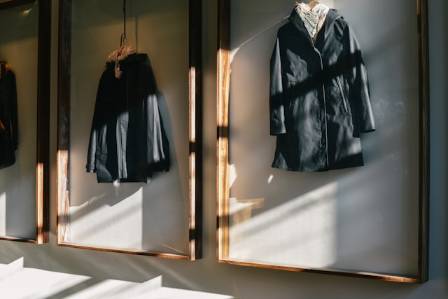
Choosing the right suit fabric is a balance of practicality, style, and personal preference. Start with foundational pieces: a mid-weight wool suit (10-11oz) in navy or charcoal for year-round business use, a lightweight linen or cotton suit for summer, and a heavy wool or tweed suit for winter. Invest in blends for everyday wear (durability, low maintenance) and pure natural fibres for special occasions (luxury, breathability). Consider your climate—those in hot, humid areas should prioritize linen and cotton; those in cold regions need wool and cashmere blends. Don’t overlook texture: a smooth wool suit for formal events, a textured tweed suit for casual outings, and a herringbone suit for versatility. With proper care, your suits will last for years, adapting to every occasion. Whether you’re building your first suit collection or expanding an existing one, this guide will help you make informed choices—ensuring you look sharp, feel comfortable, and stand out for all the right reasons.