Publisering
Essential Realities of the Hermit Crab
Often marketed as "starter pets" or low-maintenance companions, hermit crabs are actually highly sophisticated creatures with specialized needs. Because they are sentient beings with complex biological requirements, the commercial pet trade frequently fails to provide the environment necessary for their survival. Understanding the true nature of these animals reveals why they belong in their natural habitats rather than in small plastic tanks.
Kevin Porter
Signatur
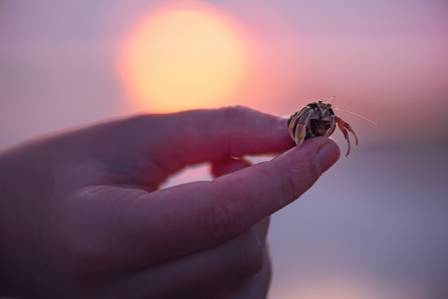
Often marketed as "starter pets" or low-maintenance companions, hermit crabs are actually highly sophisticated creatures with specialized needs. Because they are sentient beings with complex biological requirements, the commercial pet trade frequently fails to provide the environment necessary for their survival. Understanding the true nature of these animals reveals why they belong in their natural habitats rather than in small plastic tanks.
Social Structures and Communal Living
In their natural environment, hermit crabs are anything but solitary. They are intensely social animals that travel in large groups known as colonies, which can consist of 100 to several hundred members. Living in these large communities is a survival strategy, as it makes the process of locating food sources and finding appropriately sized shells much more efficient for the entire group.
Longevity and the Impact of Captivity
There is a stark contrast between the lifespan of a hermit crab in nature and one held in captivity. In the wild, these crustaceans can thrive for more than 30 years. However, because most people who purchase them lack the specific resources or knowledge to care for them, captive hermit crabs often perish within a few months to four years. Their deaths in domestic settings are frequently the result of environmental stress and improper habitat management.
The Exploitation of the Wildlife Trade
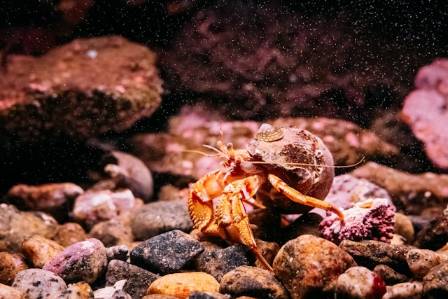
Because hermit crabs rarely reproduce when kept in captivity, nearly every crab found in a pet shop or at a carnival has been harvested from the wild. This industry often employs cruel practices, such as crushing a crab’s natural shell to force it into a "painted" replacement. These decorative shells are frequently coated in toxic paint that slowly poisons the animal as it grows and interacts with its environment.
Respiratory Requirements and Environmental Sensitivity
One of the most common causes of death for captive hermit crabs is suffocation. These animals possess modified gills that require constant high humidity to function. Without a precisely controlled and moist environment, a hermit crab cannot breathe properly. Because they may appear to behave normally while struggling, owners often do not realize the animal is slowly dying of respiratory failure until it is too late.
The Biology of Molting and Growth
To grow, hermit crabs must undergo a process called molting, during which they shed their exoskeleton. This is a vulnerable time that requires the crab to burrow deep into damp sand for protection and moisture. In the wildlife pet trade, animals are rarely provided with the depth or quality of substrate needed for this biological necessity, leading to fatal complications during the growth cycle.
Species Diversity and Physical Vulnerability
While there are more than 800 recognized species of hermit crabs, the vast majority are marine-based. Only about a dozen species are semi-terrestrial, and even these must return to the ocean to release their larvae. Most species are characterized by a soft, asymmetrical abdomen that lacks a hard, calcified exoskeleton. This vulnerability is exactly why they must find and occupy discarded shells to shield themselves from predators.
Advocating for the Protection of Hermit Crabs
The most effective way to prevent the suffering of these animals is to reduce the demand created by the pet industry. By choosing not to purchase hermit crabs and instead supporting legislative bans on the sale of wild-caught animals, individuals can help ensure these creatures remain in the ecosystems where they can truly thrive. Advocacy and education are the primary tools for moving retailers away from the exploitation of these remarkable marine and terrestrial beings.
Andre saker du kanskje liker

A Novice's Handbook to Art Appreciation
The art world may appear daunting to some, with a perceived exclusivity reserved for erudite professors, gallery proprietors, and artists themselves. If your curiosity beckons you to explore the realm of art, fear not, for we have assembled some invaluable insights to empower you with a discerning gaze. Be it your fascination with fine art, contemporary masterpieces, or experimental creations, embark on this beginner's guide to art appreciation.
Donald Harris
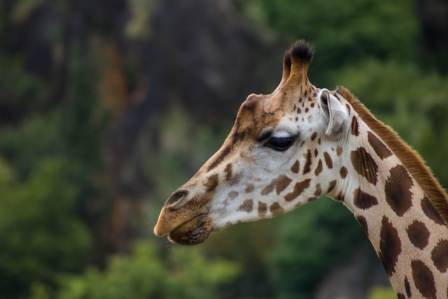
Giraffes are remarkable for their height, yet the story of these towering creatures goes beyond long necks. This article gathers five intriguing facts about giraffes, from biology and parenting to relatives and physiology, offering a concise look at how they thrive in Africa’s varied landscapes.
The Oldest Modern Bird: Unveiling the Mystery of Wonderchicken
Approximately 66.8 million years ago, during the final days of the Cretaceous period, a diminutive, quail-sized bird met a rather unfortunate and untimely end. It was a time when an impending catastrophe, in the form of an asteroid, loomed large and led to the extinction of all non-avian dinosaurs. While this little bird was destined to vanish from the annals of history, its descendants endured, sowing the seeds of a remarkably diverse lineage of birds that continue to grace the modern skies.

Top 10 Classic American Desserts (With Historical Context & Flavor Highlights)
Classic American desserts are as iconic as baseball and blue jeans, blending regional traditions, historical ingenuity, and crowd-pleasing flavors. From New York’s no-fuss cheesecake to Southern staples like peach cobbler, these 10 desserts (selected from Allrecipes’ 41-strong roundup) tell stories of innovation, resourcefulness, and cultural heritage:
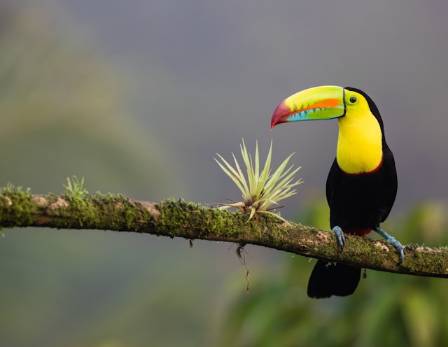
Discovering the Toucans of Costa Rica
Toucans are among the most striking residents of the Costa Rican rainforest, characterized by their vivid plumage and charismatic behavior. These birds are known for their magnificent, multi-colored beaks and social nature. In protected sanctuaries, various species—including the Keel-billed (or Rainbow-billed) toucan, the Yellow-throated (Chestnut-mandibled) toucan, and the Collared Aracari—thrive as ambassadors of tropical biodiversity, often displaying playful antics and distinct vocalizations.

The Timeless Appeal of Iconic Chairs: A Journey Through Design History
Chairs are more than mere functional objects; they are reflections of the cultural, technological, and artistic movements of their times. From the ornate designs of the Victorian era to the sleek lines of mid-century modernism, chairs have evolved to meet the changing needs and tastes of society. This article explores some of the most iconic chairs in design history, highlighting their significance and the stories they tell.

10 Ways to Master Urban Fashion
Urban fashion is one of the most versatile styles, effortlessly combining comfort with trendiness. Once considered fringe, streetwear has now become a staple in mainstream fashion, with many high-end designers incorporating street-inspired looks into their collections.

Make Skiing More Exciting: 9 Ways to Elevate Your Slope Experience
Skiing and snowboarding should, above all, be enjoyable. Whether you're stepping into skis for the first time or rekindling your enthusiasm, here are nine ways to help you rediscover the joy of gliding through the snow.

The Most Epic Mountains to Climb: A Beginner’s Guide to Feasible Summits
There’s a thrill in standing face-to-face with a snow-topped giant, where the world drops away and every breath feels earned. For many, climbing mountains isn’t just sport—it’s a doorway to perspective, endurance, and awe. If you’re new to high-altitude adventures, you don’t have to chase the world’s deadliest peaks to taste the altitude high life. Here are 12 mountains that strike a balance: challenging enough to matter, but doable with proper prep, guides, and respect for the wild.
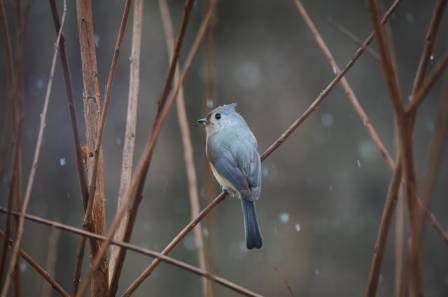
Noise and Aggression: How Road Traffic Is Altering Galápagos Yellow Warblers’ Behavior
The Galápagos Islands, an Ecuadorian archipelago in the Pacific Ocean, are a global icon of biodiversity—home to unique species that inspired Charles Darwin’s theory of evolution. From giant tortoises to marine iguanas, these islands have long been a sanctuary for wildlife, shielded by their remote location from many human-caused disturbances. Yet in recent decades, the archipelago has faced a growing threat: human encroachment, including the expansion of roads and the rise in vehicle traffic. A groundbreaking new study reveals that this seemingly mundane aspect of human activity is having a profound impact on one of the islands’ beloved birds—the Galápagos yellow warbler (Setophaga petechia aureola). Researchers have found that male warblers living closer to roads display significantly more aggressive behavior than their counterparts in quieter areas, a shift driven by the relentless noise of traffic. This finding not only sheds light on how urbanization disrupts animal behavior but also raises urgent questions about the long-term survival of sensitive species in the Galápagos and beyond.