Tilbake til forsiden

Publisering

The Cultural Significance of Mooncake in Traditional Chinese Festivals

Mooncake is far more than a mere confection in Chinese culture; it is an emblematic carrier of history, family values, and spiritual beliefs, deeply intertwined with the fabric of traditional festivals—most notably the Mid-Autumn Festival. For millennia, this round, pastry-like delicacy has transcended its role as food, becoming a tangible symbol of family reunion, harvest gratitude, and cultural continuity. Whether shared among loved ones beneath the full moon or exchanged as a gesture of goodwill, mooncakes embody the essence of Chinese communal and spiritual life, bridging past and present, and connecting generations through taste, tradition, and symbolism. Its significance extends beyond culinary pleasure, serving as a cultural touchstone that reflects the Chinese people’s reverence for nature, emphasis on family bonds, and commitment to preserving ancestral customs.

L

Liam

Signatur

The Cultural Significance of Mooncake in Traditional Chinese Festivals

Mooncake is far more than a mere confection in Chinese culture; it is an emblematic carrier of history, family values, and spiritual beliefs, deeply intertwined with the fabric of traditional festivals—most notably the Mid-Autumn Festival. For millennia, this round, pastry-like delicacy has transcended its role as food, becoming a tangible symbol of family reunion, harvest gratitude, and cultural continuity. Whether shared among loved ones beneath the full moon or exchanged as a gesture of goodwill, mooncakes embody the essence of Chinese communal and spiritual life, bridging past and present, and connecting generations through taste, tradition, and symbolism. Its significance extends beyond culinary pleasure, serving as a cultural touchstone that reflects the Chinese people’s reverence for nature, emphasis on family bonds, and commitment to preserving ancestral customs.

Origin and Historical Evolution of Mooncake

The history of mooncake stretches back over 3,000 years, with its earliest roots in ancient religious rituals. During the Shang and Zhou dynasties (c. 1600–256 BCE), primitive forms of mooncakes—simple pastries made from grains, honey, and fruits—were offered to the Moon Goddess Chang’e and other celestial deities as part of harvest ceremonies. These offerings were a way for agricultural societies to express gratitude for bountiful harvests and pray for divine protection in the coming seasons, as the moon’s cycles were closely linked to planting and harvesting schedules. As time progressed, the production of mooncakes became more refined during the Tang Dynasty (618–907 CE), when imperial chefs began adding ingredients like lotus seed paste and salted egg yolks, elevating the pastry from a ritual offering to a beloved delicacy. However, it was during the Yuan Dynasty (1271–1368 CE) that mooncakes took on a pivotal role in Chinese history: legend has it that patriotic rebels, led by Zhu Yuanzhang (who later founded the Ming Dynasty), used mooncakes to hide secret messages coordinating a rebellion against Mongol rule. The pastries were distributed during the Mid-Autumn Festival, with notes hidden inside urging people to rise up on a specific date. This tale of resistance and unity added a layer of cultural significance to mooncakes, transforming them into symbols of national identity and collective courage. By the Ming and Qing dynasties, the tradition of eating mooncakes during the Mid-Autumn Festival had become universal across China, with regional variations emerging—such as the savory Cantonese-style mooncakes, the sweet Suzhou-style pastries, and the delicate Yunnan-style mooncakes filled with ham—each reflecting local culinary traditions and tastes.

Symbolism of Mooncake: Reunion, Harmony, and Harvest Blessings

At the core of mooncake’s cultural significance lies its symbolism of reunion and harmony, largely derived from its round shape. In Chinese culture, the circle is a powerful symbol of wholeness, completeness, and unity, mirroring the full moon that illuminates the Mid-Autumn Festival night. The full moon itself is seen as a metaphor for family reunion, as it appears once a month in its perfect, unbroken form—just as families strive to gather and be whole during the festival. Sharing a mooncake among family members is therefore a ritual act: when a whole mooncake is cut into slices and passed around, it symbolizes the sharing of joy, blessings, and familial love, ensuring that no one is left out. Beyond reunion, mooncakes also embody wishes for prosperity and good fortune. Traditional mooncake fillings are chosen for their symbolic meanings: lotus seed paste (lian rong) represents “continuous harmony” (lian lian he mu), red bean paste (dou sha) symbolizes “abundant blessings” (fu lu shuang quan), and salted egg yolks—often placed in the center—represent the full moon and “golden prosperity” (huang jin man tang). Even the act of gifting mooncakes carries deep significance: during the Mid-Autumn Festival, it is customary to present mooncakes to relatives, friends, and colleagues as a gesture of respect, gratitude, and friendship. These gifts are often beautifully packaged, reflecting the value placed on relationships and the desire to share blessings. Additionally, mooncakes are linked to harvest celebrations, as the Mid-Autumn Festival coincides with the end of the autumn harvest. Eating mooncakes is a way to give thanks for the year’s bounty and pray for a prosperous harvest in the future, connecting the pastry to the agricultural roots of Chinese civilization.

The Intimate Link Between Mooncake’s Shape and the Mid-Autumn Full Moon

The round shape of mooncake is not a mere aesthetic choice but a deliberate reflection of the Mid-Autumn full moon, which is the centerpiece of the festival’s celebrations. In Chinese cosmology, the moon has long been venerated as a celestial body with profound influence over human life and nature. The full moon of the 15th day of the eighth lunar month—when the Mid-Autumn Festival is held—is believed to be the brightest and roundest of the year, symbolizing purity, completeness, and cosmic balance. Mooncakes, by mimicking this shape, bring the celestial into the earthly realm, allowing families to “hold the moon in their hands” and partake in its blessings. This connection is further reinforced by the tradition of eating mooncakes while gazing at the full moon: as families gather outdoors, sharing slices of mooncake and admiring the moon’s glow, they create a moment of harmony between nature and humanity. The roundness of the mooncake also reflects the Chinese ideal of interpersonal relationships—one of balance, mutual respect, and unity. Unlike Western pastries, which often come in angular or irregular shapes, mooncakes are meticulously crafted to be perfectly round, a testament to the importance of order and harmony in Chinese culture. Even in modern times, when innovative mooncake designs (such as square or heart-shaped) have emerged, the classic round shape remains the most popular, as it preserves the deep symbolic link to the full moon and reunion. For many Chinese people, a round mooncake is not just a food item but a visual reminder of their cultural heritage and the enduring value of family.

Mooncake in Modern Society: Commercialization and Cultural Preservation
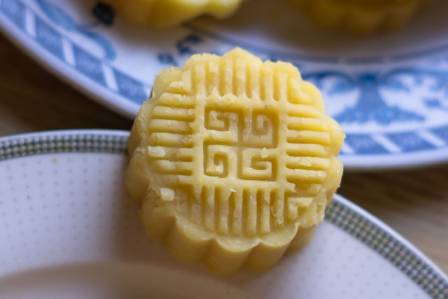
In contemporary China, mooncakes have undergone a dramatic transformation, evolving from a traditional festival food to a high-end luxury product and status symbol. This shift is driven by rapid urbanization, rising disposable incomes, and intense market competition among food manufacturers. Today, mooncakes are available in a dizzying array of flavors and packaging: from traditional fillings like lotus seed paste and red bean paste to innovative variations such as chocolate, matcha, durian, and even gluten-free or low-sugar options catered to health-conscious consumers. Packaging has become equally elaborate, with mooncakes often sold in exquisite boxes adorned with traditional Chinese motifs (such as pagodas, peonies, or moon scenes) or even luxury materials like silk and wood, making them popular gifts for business partners, clients, and government officials. This commercialization has significantly expanded the mooncake market, with annual sales in China exceeding billions of yuan. However, it has also sparked debates about the “over-commercialization” of a cultural tradition: some critics argue that the focus on luxury packaging and high prices has strayed from mooncake’s original meaning of simplicity and family reunion, turning it into a symbol of materialism and social ostentation. Despite these criticisms, mooncakes remain deeply rooted in tradition for most Chinese people. For families, the act of gathering to eat mooncakes during the Mid-Autumn Festival remains a non-negotiable ritual, regardless of the brand or price of the pastries. Many households still prefer homemade mooncakes or those from traditional bakeries, as they associate them with authenticity and nostalgia. Moreover, efforts to preserve mooncake’s cultural heritage have emerged: in 2008, the “production techniques of mooncake” were included in China’s national intangible cultural heritage list, recognizing its importance as a traditional craft. Additionally, cultural institutions and schools often organize mooncake-making workshops during the Mid-Autumn Festival, teaching younger generations about the history and symbolism of mooncakes and ensuring that the tradition is passed down. In this way, mooncakes have managed to balance commercialization with cultural preservation, adapting to modern tastes while retaining their core meaning as a symbol of family and tradition.

The Global Spread of Mooncake: A Bridge to Chinese Culture Abroad

As the Chinese diaspora has grown exponentially over the past century, mooncakes have traveled far beyond China’s borders, becoming a global symbol of Chinese culture and a bridge between Chinese communities and the societies they now call home. Today, mooncakes are widely available in countries with large Chinese populations, such as the United States, Canada, Australia, Singapore, and Malaysia, as well as in major cities across Europe and Southeast Asia. In these regions, mooncakes serve dual roles: for Chinese immigrants, they are a tangible connection to their homeland and a way to pass down cultural traditions to their children. Many Chinese communities organize Mid-Autumn Festival events, such as moon-gazing parties and mooncake-sharing gatherings, which not only bring the community together but also invite non-Chinese friends and neighbors to participate, fostering cross-cultural understanding. For non-Chinese consumers, mooncakes are an exotic and delicious introduction to Chinese culture. In Western countries, mooncakes are often sold in Asian grocery stores, specialty food shops, and even mainstream supermarkets, appealing to adventurous eaters and those interested in international cuisine. The unique flavors and beautiful packaging of mooncakes have made them popular gifts during the Mid-Autumn Festival, as well as year-round treats for food enthusiasts. Moreover, mooncakes have become a symbol of cultural diversity and integration: in cities like New York, London, and Sydney, Mid-Autumn Festival celebrations featuring mooncakes are now public events, attended by people of all ethnic backgrounds. This global diffusion of mooncakes has not only increased awareness of Chinese culture but also led to cross-cultural innovations: in some countries, local chefs have adapted mooncakes to suit Western tastes, creating fusion versions like cheesecake mooncakes or mooncakes filled with fruit preserves. However, the core symbolism of mooncakes—reunion, harmony, and gratitude—remains unchanged, resonating with people of all cultures who value family and community. For the Chinese diaspora, mooncakes are more than just a food; they are a cultural anchor that keeps them connected to their roots, while for the rest of the world, they are a delicious and meaningful window into Chinese civilization.

The Cultural Roots of Moon Worship and Its Connection to Mooncake
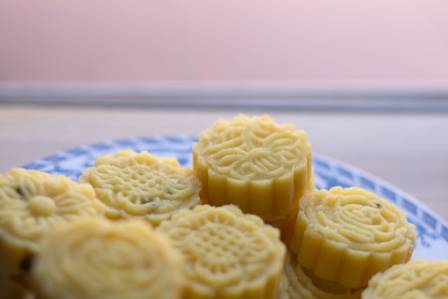
The symbolism of mooncake is deeply intertwined with the ancient Chinese practice of moon worship, which dates back to the Neolithic period. For early agricultural societies, the moon was a celestial body of immense importance: its cycles governed the planting and harvesting of crops, and its light provided guidance during the night. The full moon, in particular, was seen as a symbol of fertility, abundance, and divine favor, as it coincided with the ripening of grains and fruits in autumn. To honor the moon and seek its blessings, ancient Chinese people held elaborate rituals during the Mid-Autumn Festival, offering sacrifices such as grains, fruits, and later, mooncakes. These rituals were not only religious but also communal, bringing villages together to celebrate the harvest and strengthen social bonds. The Moon Goddess Chang’e, one of the most beloved figures in Chinese mythology, further reinforced the connection between moon worship and mooncakes. According to legend, Chang’e drank an immortality elixir and ascended to the moon, where she now resides in a palace with her jade rabbit. The Mid-Autumn Festival is a time to pay homage to Chang’e, and mooncakes are believed to be her favorite food—offering them to the moon is a way to show respect and seek her protection. Over time, moon worship evolved from a purely religious practice to a cultural tradition, but its core beliefs—reverence for nature, gratitude for harvests, and the desire for harmony—remain embedded in the custom of eating mooncakes. For ancient Chinese people, eating mooncakes under the full moon was a way to “commune” with the celestial realm, absorbing the moon’s positive energy and ensuring good health, prosperity, and family unity. This spiritual dimension of mooncake consumption persists today: many Chinese families still place a mooncake on a table outdoors during the Mid-Autumn Festival, allowing it to “absorb” the moon’s light before eating it, as a way to honor tradition and seek blessings. In this sense, mooncakes are not just a product of culinary innovation but a manifestation of China’s ancient ecological wisdom—its recognition of the interconnectedness between humans and nature, and its reverence for the celestial forces that sustain life.

Andre saker du kanskje liker

Dazzling Avian Wonders: A Guide to the World’s Most Colorful Birds

Dazzling Avian Wonders: A Guide to the World’s Most Colorful Birds

It is well-known that the avian world is a tapestry of diverse forms, sizes, and hues. While some species prefer understated plumage, others display only minor splashes of pigment. However, a select group of birds serves as nature’s true spectacles—creatures so intensely colored they appear to have emerged directly from a prism. From the painted bunting of the United States to exotic species across the globe, these feathered marvels demonstrate that nature is an unparalleled artist.

GGarrett Vaughn
Getting to Know the Black-Tailed Prairie Dog (Cynomys ludovicianus)

Getting to Know the Black-Tailed Prairie Dog (Cynomys ludovicianus)

The black-tailed prairie dog (scientific name: Cynomys ludovicianus) is a small, charismatic rodent that plays a vital role in the prairie ecosystems of North America. Closely related to ground squirrels, this species is easily recognizable by its distinct physical traits and complex social behavior. From their bustling “towns” to their role as a keystone species for predators and other wildlife, black-tailed prairie dogs are far more than just cute burrowers, they are a cornerstone of the grassland habitats they call home. Below, we’ll explore every aspect of their lives, from their appearance and behavior to their habitat, distribution, and the challenges they face in the modern world.

JJonathan Bailey
6 Most Photographed Landmarks Around the World

6 Most Photographed Landmarks Around the World

Every traveler dreams of capturing the perfect shot of the world’s most famous landmarks. These places are not only visually striking but also carry layers of history, culture, and architectural brilliance that make them irresistible to the camera lens. From royal residences to iconic towers, here are ten of the most photographed sites across the globe.
AAurora
10 Spectacular Rock - Cut Wonders Around the Globe

10 Spectacular Rock - Cut Wonders Around the Globe

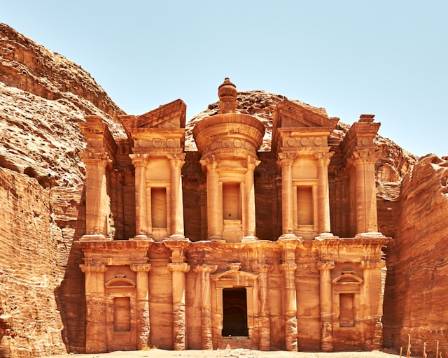
Situated in southern Jordan, Petra is a remarkable archaeological site and a prime example of a city ingeniously carved into a rockface. It once served as the capital of the Nabataean kingdom. Thanks to its strategic location at the crossroads of Arabia, Egypt, and Syria - Phoenicia, Petra became a thriving center for the incense trade.

NNathaniel Bennett
Men’s Holiday Shirt Style Guide 2025: Effortless Style for Every Destination

Men’s Holiday Shirt Style Guide 2025: Effortless Style for Every Destination

The holiday shirt is more than just a wardrobe staple—it’s a statement of relaxation, confidence, and adaptability. Whether you’re jetting off to a sun-soaked beach, exploring a bustling European city, or embarking on a lads’ getaway, the right shirt can elevate your look while keeping you comfortable in any climate. Let’s be honest: we’ve all been there—rushing to buy new shirts before a trip, only to end up with pieces that clash with the destination, feel uncomfortable in the heat, or scream “tourist” to locals. But fear not, weary traveler: this guide is here to simplify your holiday wardrobe, helping you choose shirts that blend style, functionality, and personality. From fabric choices and fit tips to destination-specific looks and packing hacks, we’ll cover everything you need to know to dress like a seasoned globetrotter—without sacrificing comfort or individuality.

EEthan Thomas
Legendary Cricket Matches That Will Never Be Forgotten

Legendary Cricket Matches That Will Never Be Forgotten

Cricket has provided fans with numerous unforgettable moments, with some matches becoming legendary due to their intense drama, spectacular performances, and incredible finishes. Here are 10 iconic cricket matches, including unforgettable games like the 2019 Ashes, the 2022 India vs. Pakistan T20, and others.

JJay
Exploring Minimalist Interior Design

Exploring Minimalist Interior Design

In today's world, the concept of minimalism is widespread, advocating for the reduction of elements to their essential form. This principle extends beyond art and lifestyles, touching upon architecture and interior design as well. Minimalist interior design shares common ground with modern interior design, both embracing the use of fundamental elements to craft an uncluttered and straightforward living space. Characterized by its simplicity, clean lines, and a predominantly monochromatic palette with sparingly used accent colors, this style melds an open floor plan, abundant natural light, and functional furnishings, elevating the importance of form, color, and texture in a select few core elements.
DDelilah Sage
NASA's James Webb Space Telescope Reveals the Enigma of the Crab Nebula in Breathtaking Detail

NASA's James Webb Space Telescope Reveals the Enigma of the Crab Nebula in Breathtaking Detail

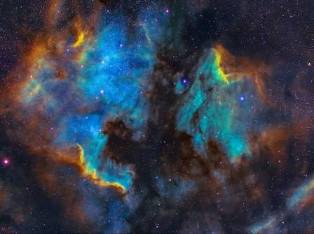
In a groundbreaking achievement in astronomy, the James Webb Space Telescope by NASA has bestowed upon us an unparalleled glimpse into the Crab Nebula, a remnant of a supernova located 6,500 light-years away in the Taurus constellation. Stemming from a cataclysmic event witnessed in 1054 CE, this nebula has long captivated astronomers, urging them to unravel the mysterious narrative of supernovae.

LLily Jade
Best VR headsets

Best VR headsets

Virtual reality headsets aren’t limited to just gaming adventures. They can bring your photos and videos to life, allow you to explore distant places without leaving your home, and turn movies into fully immersive experiences. Essentially, VR headsets are versatile gadgets that provide entertainment, virtual exploration, and even interactive fitness opportunities.
AAiden Cooper
Barbara Ann’s Southern Fried Chicken: The Science, Culture, and Joy of a Classic

Barbara Ann’s Southern Fried Chicken: The Science, Culture, and Joy of a Classic

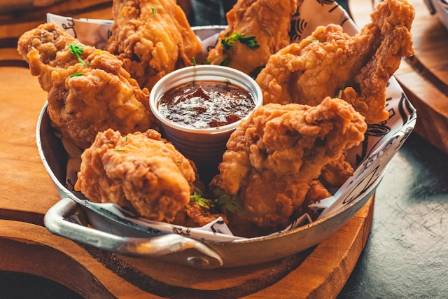
Southern fried chicken is more than a dish—it’s a culinary icon, celebrated for its crispy, golden crust and juicy, flavorful interior. What seems like a simple comfort food requires precision, science, and respect for tradition to master. From its multicultural origins to modern interpretations, fried chicken unites people through warmth, hospitality, and sheer deliciousness. This guide explores the art and science behind perfect fried chicken, its cultural significance, and how Barbara Ann’s brings this classic to life.

AAiden