Tilbake til forsiden

Publisering

The Modern Era of Landscape Painting: Breaking Boundaries and Redefining Nature

Landscape art, once relegated to the background of portraiture and historical scenes, underwent a revolutionary transformation during the Modern Era (late 19th to early 20th century). This pivotal period marked a departure from the rigid conventions of realistic representation, as artists dared to prioritize emotion, perception, and experimentation over literal depictions of nature. From Claude Monet’s ethereal light studies to Egon Schiele’s raw, expressive brushwork, modern landscape painters redefined not only how we see the natural world but also how we connect with it on a deeply personal, sensory level. This exploration delves into the ideological shifts, technical innovations, and artistic visionaries that shaped this era, revealing how landscape painting evolved from a mere record of scenery to a powerful medium of self-expression and cultural commentary.

O

Oliver Harris

Signatur

The Modern Era of Landscape Painting: Breaking Boundaries and Redefining Nature

Landscape art, once relegated to the background of portraiture and historical scenes, underwent a revolutionary transformation during the Modern Era (late 19th to early 20th century). This pivotal period marked a departure from the rigid conventions of realistic representation, as artists dared to prioritize emotion, perception, and experimentation over literal depictions of nature. From Claude Monet’s ethereal light studies to Egon Schiele’s raw, expressive brushwork, modern landscape painters redefined not only how we see the natural world but also how we connect with it on a deeply personal, sensory level. This exploration delves into the ideological shifts, technical innovations, and artistic visionaries that shaped this era, revealing how landscape painting evolved from a mere record of scenery to a powerful medium of self-expression and cultural commentary.

The Precursor: Impressionism’s Challenge to Traditional Landscape

Before the Modern Era fully took root, the Impressionist movement (1860s–1880s) laid the groundwork for revolution by challenging the academic art establishment’s strict rules. Rejecting the dark, studio-bound compositions of the past, Impressionists like Claude Monet, Pierre-Auguste Renoir, and Camille Pissarro ventured outdoors (“en plein air”) to capture the fleeting effects of light, weather, and atmosphere. Monet, in particular, dedicated his career to exploring how light transforms the same landscape over time—his iconic “Water Lilies” series (1899–1926), painted in his Giverny garden, exemplifies this obsession. Rather than rendering a precise, static view of his pond, Monet used loose, rapid brushstrokes and a vibrant, shifting palette to evoke the dappled glow of sunlight on water, the mistiness of dawn, and the tranquility of twilight. These works were not just landscapes; they were sensory experiences, inviting viewers to feel the warmth of the sun or the coolness of a breeze rather than merely observe a scene. The Impressionists’ focus on subjective perception and immediate experience shattered the notion that landscapes must be “picture-perfect” or narratively coherent, paving the way for the radical experiments of the Modern Era.

A Shift in Perception: From External Scene to Internal Experience

The Modern Era marked a profound ideological shift: landscape painting ceased to be a mere reflection of the external world and became a window into the artist’s inner life. Artists no longer sought to replicate nature with scientific accuracy; instead, they aimed to capture its essence—its emotional resonance, its spiritual weight, or its abstract structure. Egon Schiele, known for his intense, distorted figurative work, applied the same expressive energy to his landscapes, such as “Autumn Sun” (1912). In this piece, the rolling hills of Austria are rendered with jagged, angular brushstrokes and a bold palette of burnt oranges, deep purples, and fiery reds. The scene is less a realistic depiction of autumn and more a visceral expression of the season’s intensity—its warmth, its transience, and its underlying sense of decay. Similarly, Vincent van Gogh’s “The Starry Night” (1889) transforms a quiet village landscape into a swirling, emotional tempest, with cypress trees like dark spires and stars that explode across the sky in vivid yellows and blues. These works prioritize feeling over fact, inviting viewers to engage with nature through the artist’s eyes and emotions. This internal focus redefined the purpose of landscape art: it was no longer a tool for documentation but a medium for connection—between artist and nature, and between viewer and artist.

Experimentation with Color and Form: Liberating Landscape from Realism
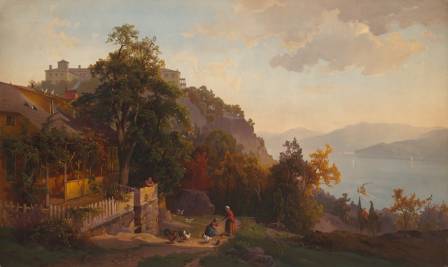
The Modern Era was a period of unbridled experimentation, as artists rejected the constraints of realistic color palettes and traditional perspective to explore the expressive potential of color and form. Paul Cézanne, often called the “father of modern art,” played a pivotal role in this revolution with his series of paintings of Mont Sainte-Victoire (c. 1882–1906). Cézanne broke down the natural world into its fundamental geometric components—cylinders, spheres, and cones—using blocks of color to create a sense of depth and structure that transcended mere imitation. In “Mont Sainte-Victoire” (1904), the mountain looms in the background as a simplified, monumental form, while the foreground is composed of bold, overlapping patches of green (for trees) and brown (for earth). This approach revealed the underlying order of nature, inspiring later movements like Cubism. The Fauvists, a group of early 20th-century French artists including Henri Matisse and André Derain, took color experimentation even further. Rejecting the idea that color must reflect reality, they used vivid, non-naturalistic hues—bright reds, electric blues, and neon yellows—to evoke emotion and create visual impact. Matisse’s “Landscape at Collioure” (1905) features a coastal scene rendered in clashing colors: a bright green sky, a fiery orange sea, and purple hills. The Fauvists’ motto, “color as a means of expression,” freed landscape painting from the tyranny of realism, proving that color could be used to communicate feeling independently of the subject matter.

Techniques That Shaped the Modern Landscape: Brushwork, Layering, and Texture

Beyond color and form, modern landscape painters revolutionized the technical aspects of their craft, using brushwork, layering, and texture to create more dynamic, immersive works. One of the most distinctive techniques of the era was the use of visible, textured brushstrokes. Unlike the smooth, blended brushwork of academic painting, modern artists embraced the tactile quality of paint, using short, choppy strokes (Monet), thick, impasto layers (van Gogh), or sharp, angular marks (Schiele) to add movement and depth to their landscapes. Van Gogh’s “Wheatfield with Crows” (1890), one of his final works, uses heavy, swirling brushstrokes to convey a sense of unease and turbulence, with dark crows soaring above a golden field that seems to ripple like water. Layering was another key technique: artists applied multiple coats of paint, sometimes allowing earlier layers to show through, to create a sense of depth and history. Chaim Soutine, a Russian-French artist known for his expressive landscapes, used this technique in “View of Céret” (1922), layering thick, vibrant colors to create a scene that feels alive with energy—trees that bend and twist, hills that rise and fall, and a sky that pulses with pink and purple hues. Some artists even experimented with the canvas itself, cutting, collaging, or stretching it to break free from the traditional rectangular format. These technical innovations were not mere gimmicks; they were deliberate choices designed to engage the viewer’s senses, making landscape painting a more physical, immersive experience.

Cross-Pollination: How Modern Landscapes Influenced Subsequent Art Movements

The innovations of the Modern Era landscape painters had a profound and lasting impact on the art world, influencing a wide range of subsequent movements. Cézanne’s geometric approach to nature directly inspired Pablo Picasso and Georges Braque, who developed Cubism in the early 20th century—breaking down landscapes (and other subjects) into fragmented, multi-perspective compositions. The Fauvists’ bold use of color paved the way for Abstract Expressionism, as artists like Willem de Kooning and Mark Rothko used color to convey emotion on a grand scale. Even Surrealism, with its dreamlike, symbolic landscapes, owed a debt to the Modern Era’s emphasis on subjective experience and the rejection of realism. Beyond these specific movements, the Modern Era redefined the very concept of landscape art, opening the door for artists to explore themes like environmentalism, identity, and memory through the natural world. Today, contemporary landscape painters continue to build on this legacy, using digital tools, mixed media, and experimental techniques to push the boundaries even further. The Modern Era, in short, was not just a chapter in the history of landscape painting—it was a turning point that transformed the genre forever.

Final Thoughts: The Enduring Legacy of Modern Landscape Painting
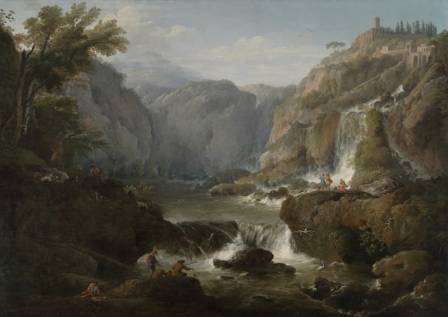
The Modern Era of landscape painting was more than a series of technical innovations or stylistic shifts; it was a revolution in how we perceive and engage with nature. By daring to break the rules of traditional realism, artists like Monet, Cézanne, Schiele, and van Gogh revealed that landscape art could be a powerful form of self-expression, a tool for exploring the human condition, and a bridge between the external world and the internal self. Their works remind us that nature is not just a scene to be observed but a living, breathing force that evokes emotion, sparks creativity, and connects us to something larger than ourselves. As we face the challenges of the 21st century—from climate change to urbanization—the Modern Era’s emphasis on our emotional and spiritual connection to nature feels more relevant than ever. These paintings invite us to slow down, look closely, and feel deeply—to see the world not as it is, but as it could be: vibrant, dynamic, and full of possibility. The legacy of the Modern Era landscape painters is not just in their art, but in their ability to inspire us to see nature with fresh eyes, and to embrace the beauty of imperfection, emotion, and change.

Andre saker du kanskje liker

Noise and Aggression: How Road Traffic Is Altering Galápagos Yellow Warblers’ Behavior

Noise and Aggression: How Road Traffic Is Altering Galápagos Yellow Warblers’ Behavior

The Galápagos Islands, an Ecuadorian archipelago in the Pacific Ocean, are a global icon of biodiversity—home to unique species that inspired Charles Darwin’s theory of evolution. From giant tortoises to marine iguanas, these islands have long been a sanctuary for wildlife, shielded by their remote location from many human-caused disturbances. Yet in recent decades, the archipelago has faced a growing threat: human encroachment, including the expansion of roads and the rise in vehicle traffic. A groundbreaking new study reveals that this seemingly mundane aspect of human activity is having a profound impact on one of the islands’ beloved birds—the Galápagos yellow warbler (Setophaga petechia aureola). Researchers have found that male warblers living closer to roads display significantly more aggressive behavior than their counterparts in quieter areas, a shift driven by the relentless noise of traffic. This finding not only sheds light on how urbanization disrupts animal behavior but also raises urgent questions about the long-term survival of sensitive species in the Galápagos and beyond.
ZZoe
NASA's James Webb Space Telescope Reveals the Enigma of the Crab Nebula in Breathtaking Detail

NASA's James Webb Space Telescope Reveals the Enigma of the Crab Nebula in Breathtaking Detail

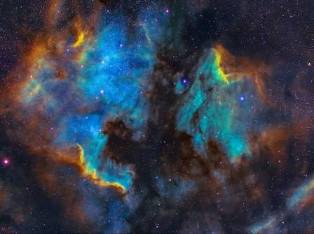
In a groundbreaking achievement in astronomy, the James Webb Space Telescope by NASA has bestowed upon us an unparalleled glimpse into the Crab Nebula, a remnant of a supernova located 6,500 light-years away in the Taurus constellation. Stemming from a cataclysmic event witnessed in 1054 CE, this nebula has long captivated astronomers, urging them to unravel the mysterious narrative of supernovae.

LLily Jade
2025’s Top 10 Casual Looks Every Wardrobe Needs

2025’s Top 10 Casual Looks Every Wardrobe Needs

Some styles are timeless—and 2025 casual fashion is all about blending these classic essentials with modern comfort. It’s not about fleeting trends you’ll abandon next season; it’s about effortless outfits that you can throw on and still feel like your best self.
LLinda
15 Stunning Birds of the World: Nature’s Beautiful Masterpieces

15 Stunning Birds of the World: Nature’s Beautiful Masterpieces

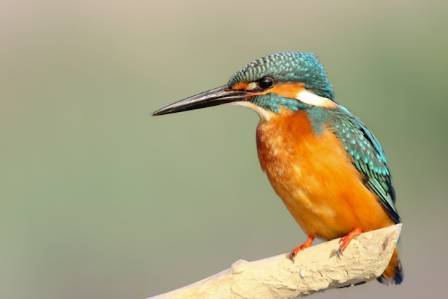
Welcome to a visual tour of the bird world. Birds fascinate us with their bright colors, detailed patterns, and graceful movements. Each species adds a unique touch to the natural landscapes they live in. From the showy displays of peacocks to the calm elegance of flamingos, these creatures fill us with wonder and appreciation.
MMatthew Cooper
Five Of The Most Resilient Seaside Plants

Five Of The Most Resilient Seaside Plants

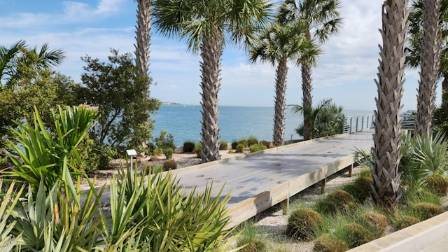
The coastal environment—characterized by salt-saturated winds, sandy substrates, and unstable terrain—creates exceptionally demanding conditions for plant survival. Yet a selection of resilient species not only endure these challenges but flourish within them. As more people explore Britain's coastline, it's an ideal opportunity to appreciate the remarkable vegetation thriving at the water's edge. What botanical treasures might you discover during your next seaside visit?
AAnthony Robinson
Is Kiwi Fruit Good for You During Pregnancy?

Is Kiwi Fruit Good for You During Pregnancy?

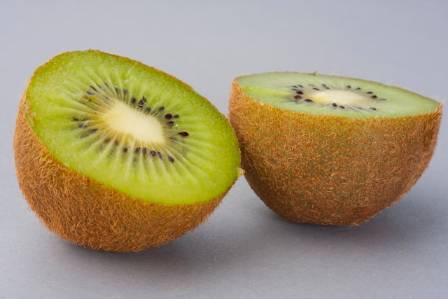
Kiwi, also known as Chinese gooseberry, is rich in essential nutrients and can be a great addition to your pregnancy diet. This small fruit offers a unique mix of vitamins, minerals, and fiber—plus a sweet, tangy flavor that may help satisfy pregnancy cravings in a healthy way.
TTessa Langford
The Great Wall of China

The Great Wall of China

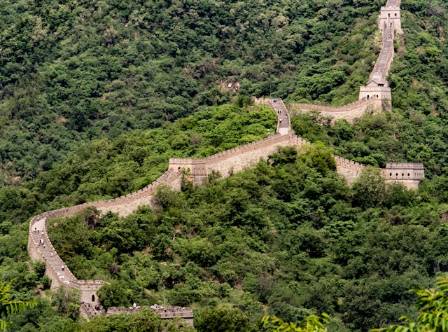
The Great Wall of China was officially inscribed on the UNESCO World Heritage List in 1987 as a cultural site of outstanding universal value. Stretching across northern China, it traverses multiple provinces and municipalities including Beijing, Hebei, Shanxi, Shaanxi, and Gansu.

CChloe Adams
Essential Facts About Tigers: The World’s Largest Cats

Essential Facts About Tigers: The World’s Largest Cats

Tigers serve as a vital keystone species, exerting a profound influence on the ecosystems they inhabit. As apex predators, they regulate herbivore populations, which helps control the spread of diseases and prevents the degradation of vegetation from overgrazing. Because these cats require expansive territories to survive, efforts to preserve their natural habitats result in the simultaneous protection of countless other wildlife species.
EEthan Walker
6 Captivating Train Journeys Worldwide

6 Captivating Train Journeys Worldwide

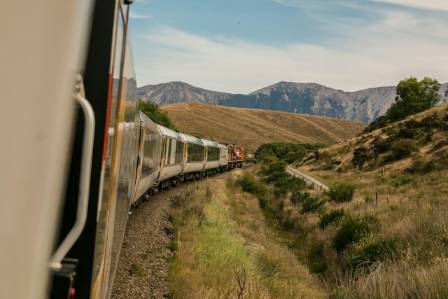
Embark on a journey of awe and discovery as you traverse diverse landscapes, connecting cities and immersing yourself in the heart of each nation. Train travel unveils a unique magic, from the camaraderie within the cars to the breathtaking scenes unfolding outside. Here are six of the world's most extraordinary train journeys:
DDaniel
Foodie Finds: Rome’s Top 5 Tiramisu Spots You Can’t Miss

Foodie Finds: Rome’s Top 5 Tiramisu Spots You Can’t Miss

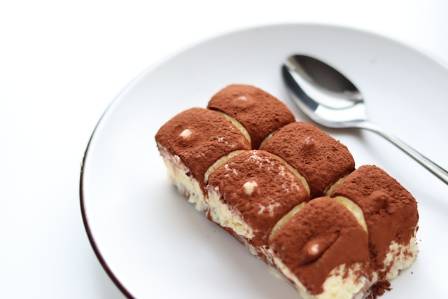
Rome is a paradise for tiramisu enthusiasts, with countless cafés and restaurants offering their own interpretation of this iconic Italian dessert. From time-honoured recipes to inventive modern versions, each tiramisu reflects Italy’s devotion to simplicity and premium ingredients. Silky mascarpone cream, espresso-soaked ladyfingers, and creative flavour additions such as pistachio or strawberry ensure there is always something new to taste. Many venues specialise in perfecting this single dessert, making tiramisu an essential experience for anyone seeking an authentic slice of Italian sweet culture. Below are five standout places that capture the spirit of Rome through this beloved classic.

HHolden Fairchild