Tilbake til forsiden

Publisering

Noise and Aggression: How Road Traffic Is Altering Galápagos Yellow Warblers’ Behavior

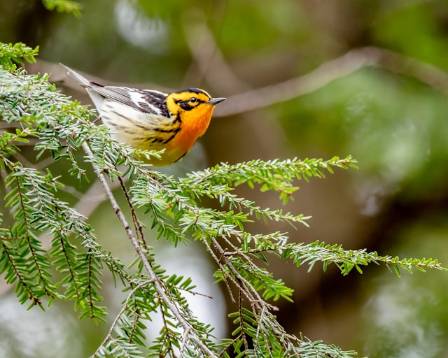
The Galápagos Islands, an Ecuadorian archipelago in the Pacific Ocean, are a global icon of biodiversity—home to unique species that inspired Charles Darwin’s theory of evolution. From giant tortoises to marine iguanas, these islands have long been a sanctuary for wildlife, shielded by their remote location from many human-caused disturbances. Yet in recent decades, the archipelago has faced a growing threat: human encroachment, including the expansion of roads and the rise in vehicle traffic. A groundbreaking new study reveals that this seemingly mundane aspect of human activity is having a profound impact on one of the islands’ beloved birds—the Galápagos yellow warbler (Setophaga petechia aureola). Researchers have found that male warblers living closer to roads display significantly more aggressive behavior than their counterparts in quieter areas, a shift driven by the relentless noise of traffic. This finding not only sheds light on how urbanization disrupts animal behavior but also raises urgent questions about the long-term survival of sensitive species in the Galápagos and beyond.

Z

Zoe

Signatur

Noise and Aggression: How Road Traffic Is Altering Galápagos Yellow Warblers’ Behavior

Introduction: The Galápagos’ Priceless Biodiversity Under Silent Threat

The Galápagos Islands, an Ecuadorian archipelago in the Pacific Ocean, are a global icon of biodiversity—home to unique species that inspired Charles Darwin’s theory of evolution. From giant tortoises to marine iguanas, these islands have long been a sanctuary for wildlife, shielded by their remote location from many human-caused disturbances. Yet in recent decades, the archipelago has faced a growing threat: human encroachment, including the expansion of roads and the rise in vehicle traffic. A groundbreaking new study reveals that this seemingly mundane aspect of human activity is having a profound impact on one of the islands’ beloved birds—the Galápagos yellow warbler (Setophaga petechia aureola). Researchers have found that male warblers living closer to roads display significantly more aggressive behavior than their counterparts in quieter areas, a shift driven by the relentless noise of traffic. This finding not only sheds light on how urbanization disrupts animal behavior but also raises urgent questions about the long-term survival of sensitive species in the Galápagos and beyond.

The Study: Designing an Experiment to Measure Noise’s Impact

To uncover the link between traffic noise and bird behavior, a team of researchers focused on male Galápagos yellow warblers—territorial birds that rely on vocalizations to defend their nesting areas from intruders. The study was conducted on two vastly different islands in the archipelago: Santa Cruz, the most populated island with around 15,000 residents, 15,000 annual tourists, and an estimated 1,000 vehicles; and Floreana, a much quieter island with just 100 human inhabitants and 10 cars. This contrast allowed researchers to isolate the effect of traffic volume on bird behavior. The team identified 38 male warblers across both islands, each with a well-documented territory. Using a portable speaker, they played prerecorded songs of an "intruding" male warbler—an auditory cue that typically triggers defensive behavior in territorial males. Crucially, half of the recordings were modified to include traffic noise, while the other half featured only the warbler’s call, creating a controlled experiment to measure behavioral differences.

Core Findings: Aggression Amplified by Traffic Noise

The results of the experiment were striking and consistent across both islands: male Galápagos yellow warblers living near roads responded with far greater aggression when exposed to intruder calls mixed with traffic noise compared to those in quieter, more remote areas. Instead of relying solely on their songs to deter the perceived intruder—a common, low-risk defensive strategy—roadside warblers circled the speaker at a much closer distance, a behavior associated with heightened aggression and an increased likelihood of physical conflict. Additionally, the birds near roads adjusted their vocalizations: they lowered the pitch of their songs, presumably to cut through the traffic noise and ensure their warnings were heard. In contrast, warblers living far from roads maintained higher-pitched songs and responded with less intense, song-based defense. What’s more, even the relatively low traffic volume on Floreana Island (just 10 cars) was enough to trigger these behavioral changes, indicating that the warblers are highly sensitive to noise pollution, regardless of its intensity.

Island Contrasts: How Human Activity Shapes Wildlife Responses
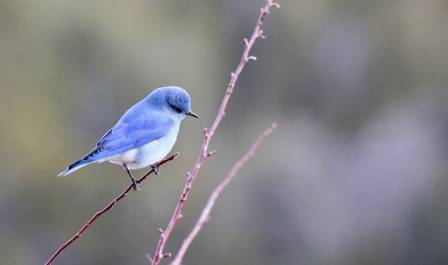
The choice of Santa Cruz and Floreana Islands as study sites provided valuable insights into how varying levels of human activity influence animal behavior. Santa Cruz, with its bustling towns, tourist infrastructure, and constant traffic, represents the face of growing urbanization in the Galápagos. For warblers living here, traffic noise is a constant backdrop—an inescapable part of their daily environment. Floreana, by contrast, is a quieter, more secluded island, where human presence is minimal. Yet even here, the small number of vehicles was sufficient to alter warbler behavior, suggesting that there is no "safe" threshold of traffic noise for these sensitive birds. The study’s co-author, Çağlar Akçay, a behavioral ecologist at Anglia Ruskin University, noted that this finding is particularly concerning given the archipelago’s changing landscape: "The human population of the Galápagos has increased tenfold in the last 50 years, and the numbers of cars has followed the trend. We’ll see more and more effects of this as humans alter the habitats." For islands that are renowned for their pristine ecosystems, this trend raises alarms about the future of their unique wildlife.

Expert Perspective: The Hidden Cost of Noise Pollution

Jennifer Phillips, a bioacoustics researcher from Washington State University who was not involved in the study, emphasized the broader ecological implications of the findings. "Many species may adjust their behaviors and be able to live near noise, but the most sensitive species are likely not able to change their behaviors or deal with the stress of daily noise interruptions," she told Mongabay via email. This adaptability gap is a key driver of biodiversity loss in human-impacted areas: as noise pollution increases, sensitive species are forced to abandon their habitats, leaving behind only those that can tolerate or adapt to the disturbance. Over time, this leads to a reduction in species diversity, as specialized animals—like the Galápagos yellow warbler—are replaced by more generalist species. Phillips added, "This is why cities or human impacted areas often have lower biodiversity, because more sensitive species are the first to go." For the Galápagos, which is home to countless endemic species found nowhere else on Earth, the loss of sensitive species could have cascading effects on the entire ecosystem.

The Bigger Picture: Human Noise as a Global Wildlife Threat

The study on Galápagos yellow warblers is part of a growing body of research highlighting noise pollution as a major, yet often overlooked, threat to wildlife. Unlike habitat destruction or poaching, noise pollution is invisible, making it easy to underestimate its impact. However, for species that rely on sound to communicate, navigate, find food, or avoid predators, noise can be debilitating. Birds, in particular, depend on vocalizations for courtship, territorial defense, and parent-offspring communication—all activities that are disrupted by constant background noise. The Galápagos study is unique because it focuses on an island ecosystem, which is often assumed to be more protected from human disturbance. Yet as Akçay pointed out, "There are very few places on Earth where there’s no human noise." From remote islands to deep forests, human activities—including roads, aviation, and industrial operations—are filling the natural world with sound, altering animal behavior in ways we are only beginning to understand.

Conservation Implications: Protecting the Galápagos from Noise

The findings of this study have important implications for conservation efforts in the Galápagos and beyond. For the archipelago, which is a UNESCO World Heritage Site, managing traffic and noise pollution is becoming an urgent priority. Possible measures include restricting vehicle access to sensitive wildlife areas, implementing speed limits to reduce noise levels, and promoting alternative transportation options like electric vehicles or bicycles for tourists and residents. Additionally, the study underscores the need for more research into the impacts of noise pollution on endemic species, as many may be suffering in silence. For conservationists worldwide, the study serves as a reminder that protecting biodiversity requires addressing not just obvious threats like deforestation and poaching, but also subtle disturbances like noise. By integrating noise reduction into conservation planning, we can help ensure that sensitive species like the Galápagos yellow warbler continue to thrive in their natural habitats.

Conclusion: Listening to the Warning Signs
The Galápagos yellow warblers’ increased aggression in the face of traffic noise is more than just a behavioral curiosity—it’s a warning sign. It tells us that even the most remote and protected ecosystems are not immune to the impacts of human activity, and that seemingly small changes (like adding a few cars to an island) can have far-reaching consequences for wildlife. As the human population grows and urbanization expands, noise pollution will only become a more pressing threat to biodiversity. However, the study also offers hope: by identifying the problem early, we can take action to mitigate its effects. Whether through policy changes, technological innovations (like quieter vehicles), or community-led conservation efforts, we have the power to reduce noise pollution and protect the delicate balance of ecosystems like the Galápagos. The yellow warblers are telling us to listen—to their altered songs, their increased aggression, and the silent crisis of noise pollution. It’s a message we can’t afford to ignore.

Andre saker du kanskje liker

Underground Colosseum Tour: A Fresh, Immersive Experience in Rome

Underground Colosseum Tour: A Fresh, Immersive Experience in Rome

The Colosseum in Rome has unveiled a new way to experience its rich history with the reimagined Underground Colosseum Tour. In collaboration with the Parco Archeologico del Colosseo (PArCo), this exciting new exhibition uses cutting-edge multimedia to transport visitors nearly 2,000 years back to Ancient Rome. The experience brings to life the passage of gladiators from the Ludus Magnus tunnel to the arena, allowing visitors to witness the spectacle like never before. The immersive tour features holographic gladiators, curated artifacts, and much more!

CCasey
Sunflower Watercolor Painting Guide

Sunflower Watercolor Painting Guide

Vincent van Gogh painted his iconic sunflower works in the 1880s, and ever since, this subject has continued to captivate artists. In this guide, we’ll explore how to create loose, expressive watercolor sunflowers using only a limited palette.

LLeon Vega
Lake Powell — Why You Should See It for Yourself

Lake Powell — Why You Should See It for Yourself

I’ve been visiting Lake Powell for many years now, and ever since getting married three years ago, it’s become a yearly summer tradition with my new family. Every trip feels like a favorite escape — peaceful, breathtaking, and completely unique. Few places in the world compare to Lake Powell, nestled between dramatic red-rock canyons that seem to stretch forever.

EEthan Carter
Wuxi Liuqing Bamboo Carving: A Treasured National Intangible Cultural Heritage

Wuxi Liuqing Bamboo Carving: A Treasured National Intangible Cultural Heritage

Wuxi bamboo carving, commonly referred to as Wuxi Liuqing Bamboo Carving, is an exquisite traditional craft that embodies the profound cultural connotation of Jiangnan region. In 2008, it was officially included in the second batch of national intangible cultural heritage items, which not only recognized its unique artistic value and historical significance but also laid a solid foundation for its inheritance and development in modern times. As a shining pearl in the treasure trove of Chinese traditional crafts, Wuxi Liuqing Bamboo Carving has attracted widespread attention with its delicate craftsmanship, elegant artistic style and rich cultural accumulation, becoming an important carrier of Wuxi's regional cultural identity.

EEthan Davis
Mexican Summer Roll Salad: A Refreshing Fusion of Flavors to End Summer in Style

Mexican Summer Roll Salad: A Refreshing Fusion of Flavors to End Summer in Style

As summer draws to a close, the lingering heat still calls for meals that are light, vibrant, and packed with flavor—dishes that satisfy cravings without weighing you down. Enter Bodega Negra’s Mexican Summer Rolls, a brilliant fusion creation from the iconic New York City hot spot known for its modern twist on traditional Mexican cuisine. Blending the crisp, fresh elements of a taco salad with the portable,elegant format of Vietnamese spring rolls, these rolls strike the perfect balance between hearty and refreshing. Whether you’re hosting a game day gathering, packing a picnic for the park, or simply craving a quick yet satisfying weeknight meal, this recipe offers versatility, bold flavors, and a touch of culinary creativity that turns ordinary dining into a memorable experience. With tender grilled chicken, creamy avocado, zesty pico de gallo, and a spicy-savory jalapeño ranch dipping sauce, every bite is a celebration of summer’s best ingredients, wrapped in a delicate rice paper shell that’s both light and satisfying.
BBenjamin
Essential Facts About Penguins

Essential Facts About Penguins

Penguins are widely recognized for their distinctive tuxedo-like appearance and their incredible resilience in some of the most frigid environments on Earth. Beyond their famous aesthetic, these flightless birds possess a complex evolutionary history and unique biological traits. Understanding where they come from and how they live is vital to addressing the challenges their populations face today.
PPreston Hensley
Essential Realities of the Hermit Crab

Essential Realities of the Hermit Crab

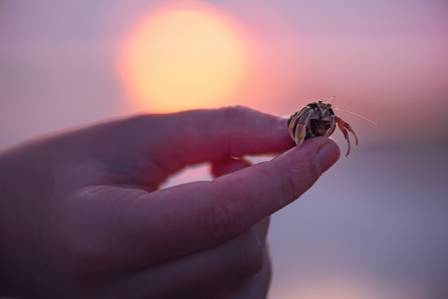
Often marketed as "starter pets" or low-maintenance companions, hermit crabs are actually highly sophisticated creatures with specialized needs. Because they are sentient beings with complex biological requirements, the commercial pet trade frequently fails to provide the environment necessary for their survival. Understanding the true nature of these animals reveals why they belong in their natural habitats rather than in small plastic tanks.

KKevin Porter
6 Winter Coat Trends You’ll Wear Beyond 2025

6 Winter Coat Trends You’ll Wear Beyond 2025

Every winter brings with it the season's top coat trends, but 2025’s offerings are set to stand the test of time—blending timeless appeal with modern flair that transcends fleeting fads. While dropping temperatures and dark evenings might spark seasonal blues, a statement coat is the ultimate cold-weather pick-me-up: it elevates any outfit (regardless of what’s underneath), broadcasts your taste to the world, and shields you from the elements. This autumn and winter, coat trends prioritize style without compromising utility and comfort—think functional funnel necks, cruelty-free faux fur, and versatile silhouettes that adapt to city streets or countryside lanes. From wool layers and puffer jackets to reimagined trench coats, these six trends are worth investing in now and wearing for years to come. Update your outerwear rotation ahead of winter’s worst with our curated edit below.

MMatthew
Make Skiing More Exciting: 9 Ways to Elevate Your Slope Experience

Make Skiing More Exciting: 9 Ways to Elevate Your Slope Experience

Skiing and snowboarding should, above all, be enjoyable. Whether you're stepping into skis for the first time or rekindling your enthusiasm, here are nine ways to help you rediscover the joy of gliding through the snow.

CClara Winslow
Maho Beach: A Comprehensive Guide to the Ultimate Plane-Watching Paradise

Maho Beach: A Comprehensive Guide to the Ultimate Plane-Watching Paradise

Nestled in the Dutch Caribbean, Maho Beach stands as an awe-inspiring destination, catering to aviation enthusiasts seeking an extraordinary experience. This beach, renowned for its captivating low-flying airliners, resides just beyond the Princess Juliana International Airport's runway, offering an unparalleled vantage point for witnessing planes take off and touch down. To ensure visitors don't miss a moment of the spectacle, daily airline timetables adorn most bars and restaurants along the beach.

NNoah Alexander