Publisering
Advancements in Robotic and Bionic Medical Technology
Robotic medical devices are sophisticated, intelligent machines designed to assist or replicate the actions of healthcare professionals. These systems represent a fusion of multiple high-level fields, including computer science, mechanical engineering, mathematics, and clinical medicine. Some of these units function entirely autonomously, while others are operated or monitored by human specialists. In the modern medical landscape, these technologies are primarily utilized for precision surgery, internal diagnostic procedures, and physical therapy to assist patients in recovering from debilitating injuries or neurological disorders.
Declan Hugo Beaumont
Signatur
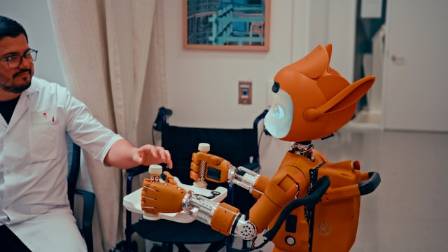
Robotic medical devices are sophisticated, intelligent machines designed to assist or replicate the actions of healthcare professionals. These systems represent a fusion of multiple high-level fields, including computer science, mechanical engineering, mathematics, and clinical medicine. Some of these units function entirely autonomously, while others are operated or monitored by human specialists. In the modern medical landscape, these technologies are primarily utilized for precision surgery, internal diagnostic procedures, and physical therapy to assist patients in recovering from debilitating injuries or neurological disorders.
Therapeutic Applications and Patient Advantages
The integration of robotics into the operating room has revolutionized minimally invasive surgery. By utilizing robotic tools, surgeons can perform complex procedures through very small incisions, which significantly reduces the risk of post-operative infection, minimizes blood loss, and limits tissue damage. For the patient, this often results in a faster recovery period and a decreased reliance on pain medication. Surgeons also benefit from these systems; by operating via a specialized console, they can control robotic arms with greater stability and reduced physical fatigue during lengthy operations. These robotic limbs can be outfitted with high-definition 3D cameras and microscopic grippers, allowing for a level of precision that exceeds the human hand.
Beyond the operating theater, robotic technology is making significant strides in gastrointestinal care and physical rehabilitation. Robotic endoscopy systems allow physicians to remove early-stage tumors with extreme accuracy, preserving healthy tissue and even suturing internal openings immediately after a procedure. For individuals facing mobility challenges, robotic exoskeletons offer a path to independence. These wearable suits provide the structural support and motorized power necessary for patients with spinal cord injuries or limb loss to stand and walk. Modern "soft" exoskeletons, constructed from flexible and lightweight materials, are increasingly replacing rigid frames, offering a more comfortable and safer experience for the user.
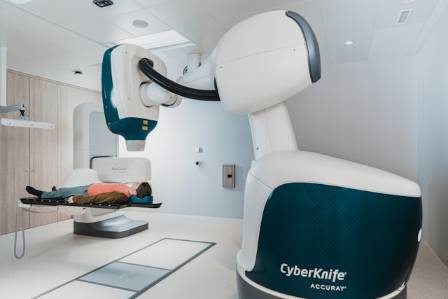
Cutting-Edge Innovations in Medical Robotics
Ongoing research is pushing the boundaries of what robotic devices can achieve within the human body. One significant development is a semi-autonomous steering needle designed to navigate the dense and complex landscape of the lungs. Because the lungs are filled with critical blood vessels and branching airways, reaching small nodules for biopsies is traditionally difficult. This new robotic system can independently guide a flexible needle around anatomical obstacles, potentially allowing for earlier and safer cancer detection.
In the field of cardiac and neurological care, researchers are developing shape-shifting catheters and soft robotic tools. A new robotic catheter features a stabilizing mechanism and a flexible tip, allowing surgeons to navigate the intricate chambers of the heart with greater stability than standard tools. Similarly, soft robotic systems are being designed to move through the delicate vasculature of the brain. These advancements aim to simplify high-stakes procedures, such as treating brain aneurysms or performing heart surgery, making them less taxing on the patient’s body and increasing the overall success rate of minimally invasive interventions.
Restoring Function Through Bionic Systems
Bionic medical devices are high-tech instruments engineered to restore or enhance physical capabilities lost to disease or trauma. Unlike simple prosthetics, bionics are designed to actively mimic natural biological functions. For example, modern artificial limbs are equipped with microprocessors and sensors that analyze the force and angle of every step, allowing the user to control the limb's movement intuitively. This technology bridges the gap between mechanical hardware and human intent, providing a more natural range of motion for amputees.
Bionics also extend to the restoration of sensory functions, such as hearing and sight. Cochlear implants are surgically embedded electronic devices that bypass damaged parts of the ear to stimulate the auditory nerve directly, enabling those with severe hearing loss to perceive sound and speech. Similarly, retinal prosthetics are being used to assist patients with deteriorating vision. These implants capture incoming light and convert it into electrical impulses that the brain can interpret as visual information, partially restoring sight to those who were previously in total darkness.
The Future of Neurally Controlled and Self-Powered Bionics
Current research in bionics is focused on making artificial devices feel more like a natural part of the body. Engineers have developed prosthetic ankles that respond to electrical signals generated by the user's remaining muscles. This allows for instinctive balance corrections and a more stable walking experience. By tapping into the body's own neural signals, these devices offer a level of control that traditional prosthetics cannot match.
Furthermore, bioengineers are exploring ways to power medical implants using the body's own movements. New "piezoelectric" materials can generate an electrical charge simply by being flexed or compressed by contracting muscles. This thin, flexible technology could lead to self-powering implants that provide ongoing electrostimulation to speed up bone healing, maintain muscle tone, or manage chronic pain. By harnessing the mechanical energy of the human body, these bionic innovations are paving the way for a new generation of sustainable and highly effective medical therapies.
Andre saker du kanskje liker

2025’s Top 10 Casual Looks Every Wardrobe Needs
Some styles are timeless—and 2025 casual fashion is all about blending these classic essentials with modern comfort. It’s not about fleeting trends you’ll abandon next season; it’s about effortless outfits that you can throw on and still feel like your best self.

10 Spectacular Rock - Cut Wonders Around the Globe
Situated in southern Jordan, Petra is a remarkable archaeological site and a prime example of a city ingeniously carved into a rockface. It once served as the capital of the Nabataean kingdom. Thanks to its strategic location at the crossroads of Arabia, Egypt, and Syria - Phoenicia, Petra became a thriving center for the incense trade.

Afternoon Tea
Afternoon tea is one of the most recognizable English traditions, complete with elegant china cups, freshly baked scones, jam, and rich clotted cream. Surprisingly, however, this beloved custom is not as ancient as many might think. While tea drinking itself dates back thousands of years to ancient China and was introduced to England in the 17th century by King Charles II and his Portuguese wife, Catherine of Braganza, the idea of “afternoon tea” didn’t emerge until much later, in the 1800s.

4 Essential Watches Every Man Needs for Style and Function
A great watch is more than a way to check the time—it’s a statement of taste and personality. Many men rely on a single watch every day, but just like clothing, different occasions call for different timepieces. Building a small, versatile collection ensures you’re always prepared, whether you’re headed to the office, a dinner date, or a weekend adventure. Here are four watch types that cover every situation with ease.

Idyllic U.S. Small Towns That Transform into Winter Wonderlands
As the season transitions to winter, the allure of travel beckons. The good news is you don't need a passport to savor the magic of the upcoming chilly months. Across the United States, you'll discover a tapestry of snow-capped mountains, serene farmlands, cozy inns, and a myriad of outdoor activities. These picturesque small towns promise a winter escape that's nothing short of enchanting.

Ten Exceptional Vegetable Recipes for Your Kitchen Routine
Exploring a collection of culinary masterpieces can transform the way you perceive and prepare vegetables. When a recipe is truly "genius," it streamlines the cooking process while delivering flavors that rival high-end restaurants. From the legendary techniques of Julia Child to modern classics by Nigella Lawson, these ten vegetable-centric dishes have earned a permanent spot in the kitchens of home cooks everywhere for their reliability and extraordinary taste.

Discovering the Toucans of Costa Rica
Toucans are among the most striking residents of the Costa Rican rainforest, characterized by their vivid plumage and charismatic behavior. These birds are known for their magnificent, multi-colored beaks and social nature. In protected sanctuaries, various species—including the Keel-billed (or Rainbow-billed) toucan, the Yellow-throated (Chestnut-mandibled) toucan, and the Collared Aracari—thrive as ambassadors of tropical biodiversity, often displaying playful antics and distinct vocalizations.

8 Reasons to Visit Plaza de España in Madrid
In the center of Madrid lies a striking urban space that beautifully showcases the city's historical depth and artistic legacy—Plaza de España. Originally created in 1928 as part of preparations for the Ibero-American Exposition, the plaza has become one of Madrid’s most emblematic public squares. With a perfect blend of monumental design and cultural symbolism, it continues to attract visitors from around the world.

The Modern Era of Landscape Painting: Breaking Boundaries and Redefining Nature
Landscape art, once relegated to the background of portraiture and historical scenes, underwent a revolutionary transformation during the Modern Era (late 19th to early 20th century). This pivotal period marked a departure from the rigid conventions of realistic representation, as artists dared to prioritize emotion, perception, and experimentation over literal depictions of nature. From Claude Monet’s ethereal light studies to Egon Schiele’s raw, expressive brushwork, modern landscape painters redefined not only how we see the natural world but also how we connect with it on a deeply personal, sensory level. This exploration delves into the ideological shifts, technical innovations, and artistic visionaries that shaped this era, revealing how landscape painting evolved from a mere record of scenery to a powerful medium of self-expression and cultural commentary.

The Most Adaptable Family Companion
Among the diverse world of canine companions, few breeds offer the perfect balance of energy, intelligence, and affection quite like the English Springer Spaniel. These medium-sized sporting dogs have transitioned seamlessly from skilled hunting partners to beloved family members, bringing their characteristic enthusiasm and loyalty into homes worldwide. Their versatile nature and willingness to please make them exceptional companions for various lifestyles and living situations.