Publisering
What Sofa Depth Is Most Comfortable?
A sofa may look flawless in a store, yet feel uncomfortable the moment you try it at home. Often, the issue isn’t the color, fabric, or even firmness—it’s the depth. So, what seat depth provides the most comfort? For most people, a seat depth of 21 to 24 inches works well for everyday use, while deeper seats, ranging from 24 to 28 inches, are often better for lounging and stretching out.
Caleb Thornton
Signatur
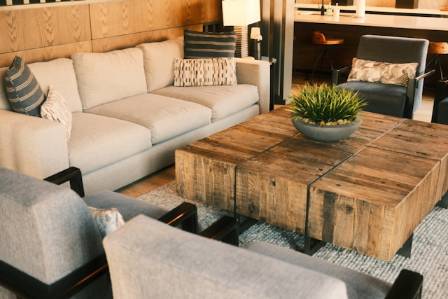
A sofa may look flawless in a store, yet feel uncomfortable the moment you try it at home. Often, the issue isn’t the color, fabric, or even firmness—it’s the depth. So, what seat depth provides the most comfort? For most people, a seat depth of 21 to 24 inches works well for everyday use, while deeper seats, ranging from 24 to 28 inches, are often better for lounging and stretching out.
However, comfort isn’t universal. The ideal depth depends on your height, the sofa’s intended purpose, and whether you prefer a formal, upright seating area or a relaxed, sink-in feel. A sofa with the right depth supports your back, allows your feet to rest comfortably, and helps the room feel balanced.
What seat depth works best in most homes?
For daily use, a medium seat depth is usually the most practical. A depth between 21 and 24 inches accommodates most adults, enabling a comfortable seated position with bent knees and feet resting on the floor. This range provides support without feeling oversized.
In living rooms where people talk, read, or watch TV, this mid-range depth is often the safest choice. It offers a modern, tailored appearance while remaining comfortable for extended periods. It also suits households with people of different heights sharing the same sofa.
It’s important to note the difference between seat depth and overall depth. Total depth includes the frame and back cushions. A sofa advertised as 38 to 42 inches deep may still have a practical seat depth, so understanding this distinction helps you evaluate comfort accurately.
Seat Depth vs. Total Depth
Seat depth is measured from the front edge of the cushion to the backrest and directly affects how the sofa feels. Total depth measures from the front of the frame to the back, influencing room layout and aesthetics but not necessarily comfort. Two sofas of similar overall size can feel very different depending on cushion construction, backrest angle, arm style, and seat height.
Ideal Depths for Different Uses
The most comfortable sofa depth varies depending on how you intend to use the furniture.
Upright seating: For conversation or reading, a seat depth of 21–22 inches promotes proper posture and makes it easier to get up. This is ideal for formal living rooms or households with older adults.
Everyday family use: A depth of 22–24 inches strikes a balance between sitting support and comfort for lounging. This range is versatile, allowing for movies, casual reading, and relaxation.
Lounging and relaxing: For curling up, stretching out, or sharing the sofa with pets or kids, deeper seats of 24–28 inches offer a more luxurious and casual feel. Pairing with loose back cushions or pillows is recommended for additional support.
Height Considerations
Body proportions strongly influence perceived comfort. Shorter individuals, under about 5’4”, typically prefer shallower seats to keep feet grounded and lower back supported. People between 5’5” and 6’ find the standard 21–24 inch range most comfortable. Taller adults may benefit from deeper seating, especially in media rooms or family spaces, while seats under 22 inches might feel restrictive.
Sectionals deserve careful attention as well—deep seating may look inviting online but could be uncomfortable for shorter users.
Room Size Matters
The size of your space also affects comfort perception. In smaller rooms or apartments, a shallower sofa can prevent the area from feeling cramped, maintain walking space, and preserve a sense of openness. Larger rooms can accommodate deeper sofas, which can make a statement, pair with oversized rugs or coffee tables, and add a sense of luxury.
Cushions, Backrests, and Posture
Sofa depth alone doesn’t guarantee comfort. Backrest design, cushion firmness, and seat height all impact how the sofa feels. Deep sofas with structured backs may feel more supportive than shallower, softer options. A low seat can make a deep sofa feel even deeper, while a higher seat can ease getting in and out. The backrest angle also affects posture—slightly reclined backs are ideal for lounging, upright backs for formal sitting.
Choosing the Right Depth
Start by defining how you’ll use the sofa. Formal living spaces benefit from 21–23 inches, family TV rooms often do best with 22–24 inches, and deep, lounge-focused seating may go up to 28 inches. Consider the height of primary users, room dimensions, and overall layout.
Whenever possible, test the sofa thoroughly. Sit back fully, check lower back support, and ensure your feet rest comfortably. A well-chosen sofa balances design, ergonomics, and daily practicality.

Conclusion
For most households, a seat depth of 21–24 inches is ideal, providing a balance of support, flexibility, and comfort. For more casual, lounge-style settings, 24–28 inches may be preferred, particularly for taller users and larger rooms. The best sofa isn’t just about appearance—it’s about how it fits the way you live.
Andre saker du kanskje liker

6 Iconic Marvels of Ottoman Architecture
The Ottoman Empire left behind an extraordinary architectural legacy that blended Islamic, Persian, and Byzantine influences. From mosques to palaces, bridges to caravanserais, these structures were more than just buildings—they were symbols of imperial ambition, artistic vision, and cultural power. Here are six highlights that showcase the brilliance of Ottoman design.

Noise and Aggression: How Road Traffic Is Altering Galápagos Yellow Warblers’ Behavior
The Galápagos Islands, an Ecuadorian archipelago in the Pacific Ocean, are a global icon of biodiversity—home to unique species that inspired Charles Darwin’s theory of evolution. From giant tortoises to marine iguanas, these islands have long been a sanctuary for wildlife, shielded by their remote location from many human-caused disturbances. Yet in recent decades, the archipelago has faced a growing threat: human encroachment, including the expansion of roads and the rise in vehicle traffic. A groundbreaking new study reveals that this seemingly mundane aspect of human activity is having a profound impact on one of the islands’ beloved birds—the Galápagos yellow warbler (Setophaga petechia aureola). Researchers have found that male warblers living closer to roads display significantly more aggressive behavior than their counterparts in quieter areas, a shift driven by the relentless noise of traffic. This finding not only sheds light on how urbanization disrupts animal behavior but also raises urgent questions about the long-term survival of sensitive species in the Galápagos and beyond.

Ten Fascinating Insights into the World of Penguins
A gathering of penguins swimming together is known as a raft, but when on land, the group is humorously referred to as a waddle.

5 Essential Tennis Tips for Beginners: Boost Your Game
Looking to improve your tennis skills or just getting started? Whether you're a total newcomer or revisiting the basics, mastering a few key techniques can help elevate your game and build confidence on the court. Here are five practical tips to get you started on the right foot.

Men’s Holiday Shirt Style Guide 2025: Effortless Style for Every Destination
The holiday shirt is more than just a wardrobe staple—it’s a statement of relaxation, confidence, and adaptability. Whether you’re jetting off to a sun-soaked beach, exploring a bustling European city, or embarking on a lads’ getaway, the right shirt can elevate your look while keeping you comfortable in any climate. Let’s be honest: we’ve all been there—rushing to buy new shirts before a trip, only to end up with pieces that clash with the destination, feel uncomfortable in the heat, or scream “tourist” to locals. But fear not, weary traveler: this guide is here to simplify your holiday wardrobe, helping you choose shirts that blend style, functionality, and personality. From fabric choices and fit tips to destination-specific looks and packing hacks, we’ll cover everything you need to know to dress like a seasoned globetrotter—without sacrificing comfort or individuality.

Dazzling Avian Wonders: A Guide to the World’s Most Colorful Birds
It is well-known that the avian world is a tapestry of diverse forms, sizes, and hues. While some species prefer understated plumage, others display only minor splashes of pigment. However, a select group of birds serves as nature’s true spectacles—creatures so intensely colored they appear to have emerged directly from a prism. From the painted bunting of the United States to exotic species across the globe, these feathered marvels demonstrate that nature is an unparalleled artist.

Artistic Fauna: 15 Watercolor Projects for Animal Lovers
The discipline of watercolor painting spans a vast spectrum, ranging from fluid, ethereal forms to meticulous, lifelike representations. The following fifteen animal-themed projects are designed to refine your technical abilities while helping you capture the essence of various creatures, from majestic wild cats to vibrant, multi-colored pets.

Afternoon Tea
Afternoon tea is one of the most recognizable English traditions, complete with elegant china cups, freshly baked scones, jam, and rich clotted cream. Surprisingly, however, this beloved custom is not as ancient as many might think. While tea drinking itself dates back thousands of years to ancient China and was introduced to England in the 17th century by King Charles II and his Portuguese wife, Catherine of Braganza, the idea of “afternoon tea” didn’t emerge until much later, in the 1800s.

Advancements in Robotic and Bionic Medical Technology
Robotic medical devices are sophisticated, intelligent machines designed to assist or replicate the actions of healthcare professionals. These systems represent a fusion of multiple high-level fields, including computer science, mechanical engineering, mathematics, and clinical medicine. Some of these units function entirely autonomously, while others are operated or monitored by human specialists. In the modern medical landscape, these technologies are primarily utilized for precision surgery, internal diagnostic procedures, and physical therapy to assist patients in recovering from debilitating injuries or neurological disorders.

6 Strategies for Managing Intense Emotions
Below are approaches to assist you in regulating your emotions effectively.