Publisering
Dancing Lights Above
In the darkest months of winter, when the sun doesn't rise above the horizon in the polar regions, the night sky comes alive with a breathtaking natural phenomenon—the aurora borealis. These shimmering ribbons of light, often in shades of green, pink, and purple, dance across the heavens, creating a spectacle that has captivated human imagination for centuries. But beyond their beauty, auroras are a window into the dynamic interactions between our planet and the cosmos.
Emily Carson
Signatur
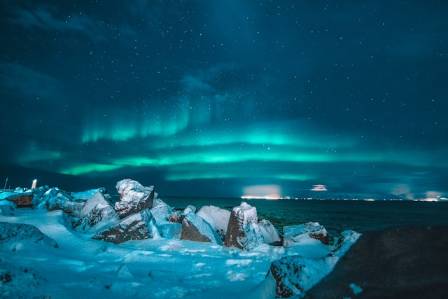
In the darkest months of winter, when the sun doesn't rise above the horizon in the polar regions, the night sky comes alive with a breathtaking natural phenomenon—the aurora borealis. These shimmering ribbons of light, often in shades of green, pink, and purple, dance across the heavens, creating a spectacle that has captivated human imagination for centuries. But beyond their beauty, auroras are a window into the dynamic interactions between our planet and the cosmos.
What Are Auroras?
Auroras, also known as the northern and southern lights, are natural light displays predominantly seen in high-latitude regions near the Arctic and Antarctic. They occur when charged particles from the sun collide with Earth's magnetic field and atmosphere, exciting atoms and molecules to emit light. The colors produced depend on the type of gas and the altitude at which the collisions occur. Green is the most common color, resulting from oxygen molecules about 60 miles above Earth’s surface. Red and purple hues can also appear, depending on the specific atmospheric conditions.
The Science Behind the Magic
The aurora borealis is primarily visible in the Northern Hemisphere, especially in regions like Alaska, Canada, and Scandinavia. The phenomenon is most active during periods of heightened solar activity, such as solar flares or coronal mass ejections, which increase the number of charged particles reaching Earth. These particles interact with Earth's magnetosphere, leading to the stunning light displays we observe.
Cultural Significance
For centuries, indigenous cultures in the Arctic regions have held the aurora in reverence. In Norse mythology, the lights were believed to be the glow from the shields of the Valkyries, warrior maidens who chose those who may die and those who may live. In Finnish folklore, the aurora was thought to be a fox sweeping its tail across the snowy landscape, creating sparks that lit up the sky. These stories reflect the deep connection between these communities and the natural world around them.
Experiencing the Aurora
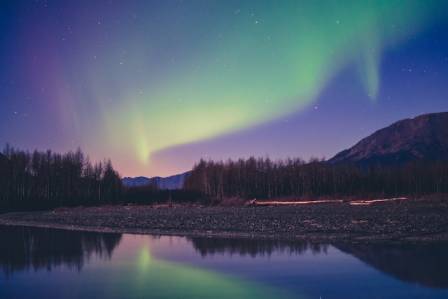
Witnessing the aurora borealis is a bucket-list experience for many travelers. The best time to view the lights is during the winter months, from late September to early April, when the nights are longest and skies are darkest. Optimal viewing conditions include clear, dark skies away from city lights. Regions like Tromsø in Norway, Fairbanks in Alaska, and the Yukon in Canada are renowned for their aurora sightings.
A Timeless Wonder
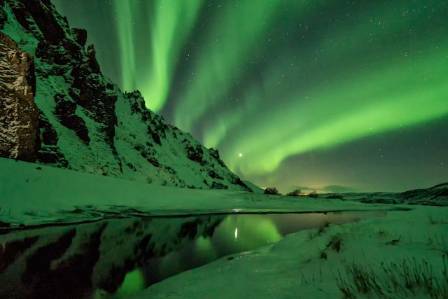
The aurora borealis continues to inspire awe and wonder, reminding us of the intricate and beautiful processes occurring in our universe. Whether you're a seasoned traveler or someone who has yet to witness this phenomenon, the magic of the northern lights is a testament to the natural wonders that our planet has to offer.
Andre saker du kanskje liker
10 Captivating Ancient Reliefs and Stone Carvings: Windows to Civilizations Past
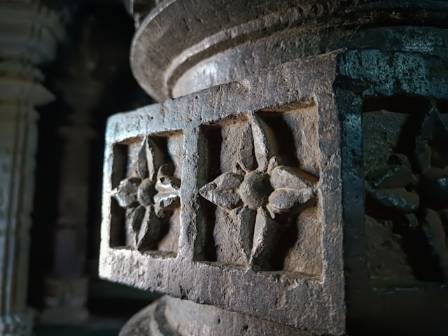
From the earliest days of human existence, when our ancestors etched primitive symbols into cave walls, the urge to create has been an intrinsic part of what it means to be human. As civilizations evolved, so too did artistic expression—from simple rock engravings to elaborate sculptures and reliefs that adorned temples, palaces, and sacred sites. Unlike paintings or textiles, which are often fragile and susceptible to decay, stone carvings and reliefs possess a remarkable durability. Carved into hard materials like sandstone, granite, and limestone, they have survived for thousands of years, offering us a direct window into the past.
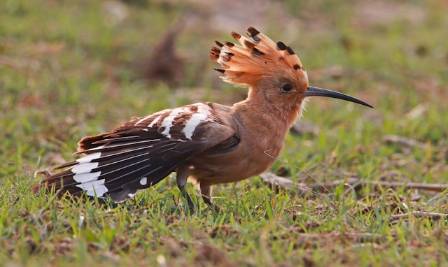
An Introduction to the Hoopoe: Nature's Crowned Aviator
The Hoopoe (Upupa epops) is a remarkably vibrant bird found throughout Afro-Eurasia. It is most famous for its distinctive "crown" of feathers, an ornate crest that it can raise or lower at will.

A Scoop of Happiness: 10 Must-Try Ice Cream Flavors at 51 Rainbow Icecream
There’s something magical about ice cream—it’s more than just a dessert. It’s a reminder of sunny afternoons, shared laughter, and moments that stay with us long after the last bite. At 51 Rainbow Icecream, we don’t just serve ice cream; we craft experiences filled with joy, creativity, and a scoop of nostalgia in every flavor.
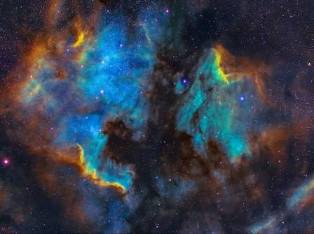
NASA's James Webb Space Telescope Reveals the Enigma of the Crab Nebula in Breathtaking Detail
In a groundbreaking achievement in astronomy, the James Webb Space Telescope by NASA has bestowed upon us an unparalleled glimpse into the Crab Nebula, a remnant of a supernova located 6,500 light-years away in the Taurus constellation. Stemming from a cataclysmic event witnessed in 1054 CE, this nebula has long captivated astronomers, urging them to unravel the mysterious narrative of supernovae.
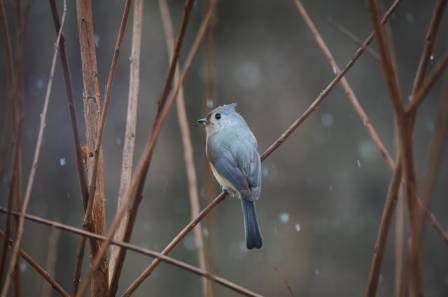
Noise and Aggression: How Road Traffic Is Altering Galápagos Yellow Warblers’ Behavior
The Galápagos Islands, an Ecuadorian archipelago in the Pacific Ocean, are a global icon of biodiversity—home to unique species that inspired Charles Darwin’s theory of evolution. From giant tortoises to marine iguanas, these islands have long been a sanctuary for wildlife, shielded by their remote location from many human-caused disturbances. Yet in recent decades, the archipelago has faced a growing threat: human encroachment, including the expansion of roads and the rise in vehicle traffic. A groundbreaking new study reveals that this seemingly mundane aspect of human activity is having a profound impact on one of the islands’ beloved birds—the Galápagos yellow warbler (Setophaga petechia aureola). Researchers have found that male warblers living closer to roads display significantly more aggressive behavior than their counterparts in quieter areas, a shift driven by the relentless noise of traffic. This finding not only sheds light on how urbanization disrupts animal behavior but also raises urgent questions about the long-term survival of sensitive species in the Galápagos and beyond.

The Transformation of T20 Cricket
Since its debut, the Twenty 20 (T20) format has served as both a disruptor and an innovator within the world of cricket. When T20 cricket was introduced, it offered a faster-paced alternative, drawing fans who found longer formats less engaging. It also sought acceptance in countries where traditional "5-day" Test matches were still viewed as the pinnacle of the sport. However, despite its groundbreaking start, the evolution of T20 cricket has been relatively gradual.
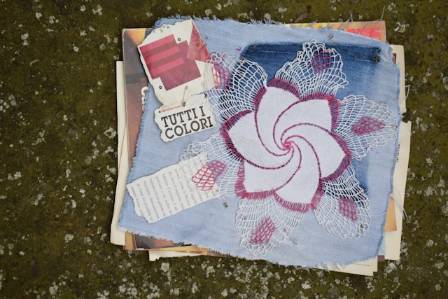
The Art of Creative Quiltmaking: A Comprehensive Guide
Every piece of textile art begins with a deep commitment to the drawing board. Before a single pencil mark is made, however, it is essential to establish a clear subject or theme. Working within a specific conceptual framework allows for a more cohesive body of work and helps filter the infinite inspiration found in daily life. Personal worldviews often drive these choices; many artists find profound stimulation in the intricate laws of nature, botanical details, or the simple wonder of the human experience.
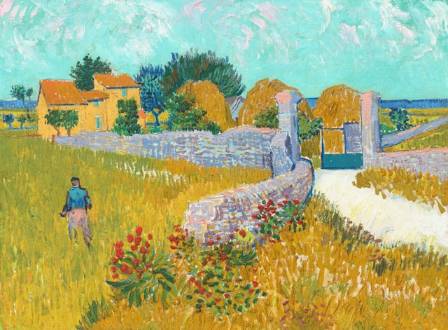
How to Paint a Wheat Field
Painting a wheat field is a delightful and approachable project for beginner artists. This tutorial focuses on blending colors, creating texture in the field, and adding small details such as a utility pole with wires. Follow these simple steps to bring your wheat field painting to life!
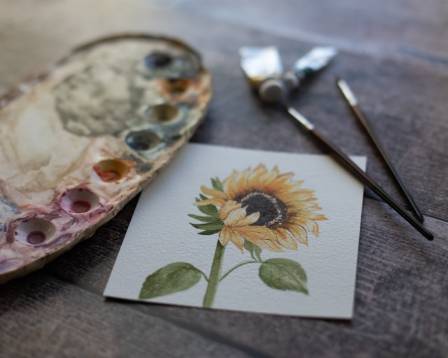
Sunflower Watercolor Painting Guide
Vincent van Gogh painted his iconic sunflower works in the 1880s, and ever since, this subject has continued to captivate artists. In this guide, we’ll explore how to create loose, expressive watercolor sunflowers using only a limited palette.

Blue Health: The Wellness Benefits of a Seaside Getaway
Oh, there's something magical about the seaside... We all cherish the opportunity to escape to the beach, armed with buckets and shovels, surfboards in tow, or a picnic basket to relish under the sun, with sand between our toes. But have you ever pondered why we are irresistibly drawn to the shore? The coast is not just a picturesque playground associated with relaxation and leisure; there's a mounting body of scientific evidence demonstrating that being near the sea has concrete advantages for both our physical and mental well-being